
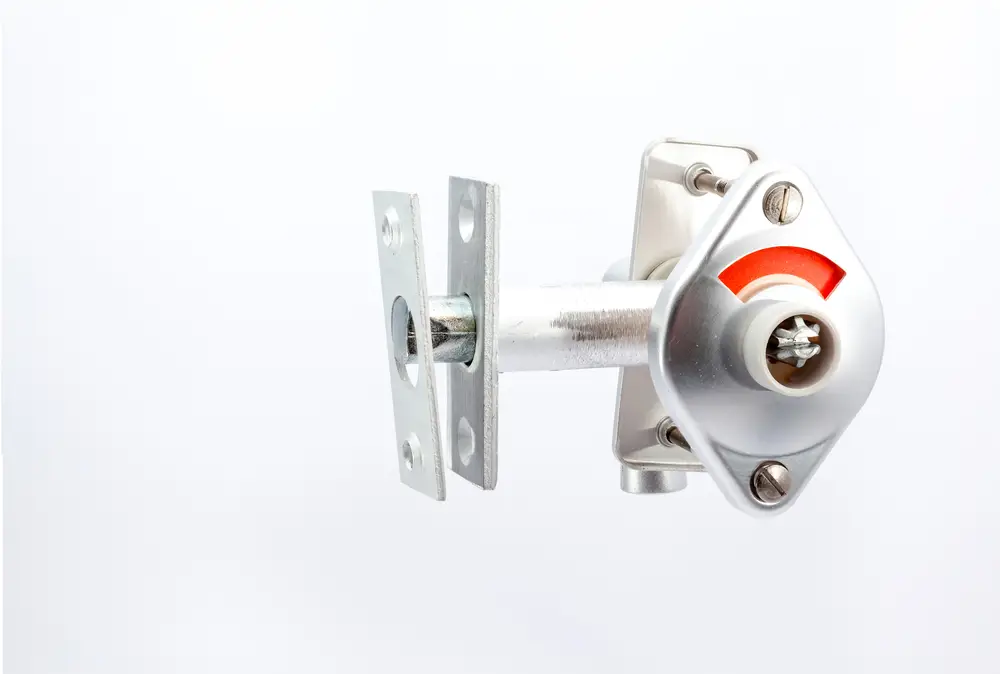
Walk down the lock aisle of any hardware store and the deadbolts look nearly identical. Same brass finish, same single-cylinder design, the same promise of security on the box. Yet one may be built to survive thousands of strikes and a crowbar, while another is rated for light residential duty and little more. The difference is a small grade number almost nobody reads.
At Lock & Locks Locksmith, one of the most common questions Calgary homeowners ask is simply which lock to buy. The honest answer starts with understanding the ANSI/BHMA grading system, because once you know what Grade 1, 2 and 3 actually mean, the choice gets a lot clearer.
What the Grades Measure
ANSI/BHMA grades come from standardized tests run by independent labs. They are not marketing. A lock earns its grade by surviving a set number of operating cycles, a specified amount of force on the bolt, and strikes meant to simulate someone trying to kick or pry the door in.
Grade 1: the heavy hitter
Grade 1 is the top residential and light-commercial rating. These deadbolts endure the most operating cycles and the highest strike and pull forces in testing. They are what you would expect on a business entrance or a homeowner who wants the strongest hardware available for a front door.
Grade 2: the practical middle
Grade 2 locks pass a lower but still substantial battery of tests. For many Calgary homes, a quality Grade 2 deadbolt on a well-built door with a reinforced strike offers a sensible balance of strength and value.
Grade 3: basic duty only
Grade 3 is the entry level. It meets a minimum standard suitable for interior doors or low-risk secondary entries, but it is not where your main exterior doors should land. If the only deadbolt on your front door is Grade 3, that is worth changing.
The Grade Is Only Half the Story
Here is the part the box will not tell you: a Grade 1 deadbolt bolted into a flimsy frame with short screws is not a Grade 1 installation. The lock is only as strong as everything around it.
The strike plate and screws matter more than you think
Most break-ins through a front door are not lock-picking. They are kicks and shoulder charges that split the door jamb. A long strike plate anchored with screws that reach the wall stud transfers that force into the framing instead of the thin trim. Upgrading the strike is often a bigger security gain than upgrading the lock itself.
Door and frame condition
A warped door, a sagging hinge, or a frame that has shifted over a few Calgary freeze-thaw cycles all leave gaps that undermine even the best deadbolt. That is why a professional lock installation looks at the whole opening, not just the hole the lock drops into.
Bolt throw and backset
A deadbolt needs a full one-inch bolt throw to properly engage the strike. If the door has drifted or the hardware was fitted to the wrong backset, the bolt may only be seating part way. From the inside it feels locked. Under force, it is not.
Choosing the Right Grade for Your Door
So which grade do you need? For exterior doors on a typical Calgary home, aim for Grade 1 or a strong Grade 2, paired with a reinforced strike. Reserve Grade 3 for interior or low-risk openings. If you have children, a smart lock, or a door that sees heavy daily use, lean toward the higher grade, because cycle endurance is exactly what those situations demand.
Match the lock to the threat, not the showroom
A lock that looks premium is not necessarily high-grade, and a plain-looking deadbolt can be Grade 1. Check the packaging for the ANSI/BHMA grade before you judge by finish. When in doubt, a hands-on assessment removes the guesswork.
Already Bought a Home? Think Grade and Keys Together
If you have just taken possession, upgrading to the right grade is the perfect moment to also take control of who holds a working key. Previous owners, trades, and realtors may all have copies. When you install stronger hardware, it makes sense to rekey the new hardware at the same time so your home starts on a clean set of keys.
The team at Lock & Locks Locksmith can assess your doors, recommend a grade that fits how you actually live, fit the hardware correctly, and align the strikes and frames so the rating on the box becomes real protection on your door.
Frequently Asked Questions
Is a Grade 1 deadbolt overkill for a house?
Not for a main exterior door. Grade 1 simply means the lock survived the toughest standardized testing. For a front or back door, that margin is reassurance, not excess. Interior doors are where a lower grade is perfectly reasonable.
I bought a premium smart lock. Is it automatically high grade?
No. Smart features and ANSI grade are separate things. Some smart locks carry a strong grade and some do not. Check the rating, and remember that the strike plate and frame still decide how the lock holds up to force.
Why does my brand-new deadbolt feel loose or hard to turn?
Usually the door and frame are slightly out of alignment, so the bolt is dragging or only partly entering the strike. That is a fit problem, not a lock defect, and it means the deadbolt is not protecting you as designed. It should be adjusted.
Can you upgrade just the strike plate instead of the whole lock?
Often, yes, and it is one of the highest-impact security improvements for the effort involved. A reinforced strike with long screws into the stud dramatically improves resistance to kick-ins, even with your existing deadbolt.
The number stamped on your deadbolt is a promise, but only a correct installation keeps it. If you are not sure what grade is protecting your doors, book an assessment with Lock & Locks Locksmith and find out before someone else does.
