
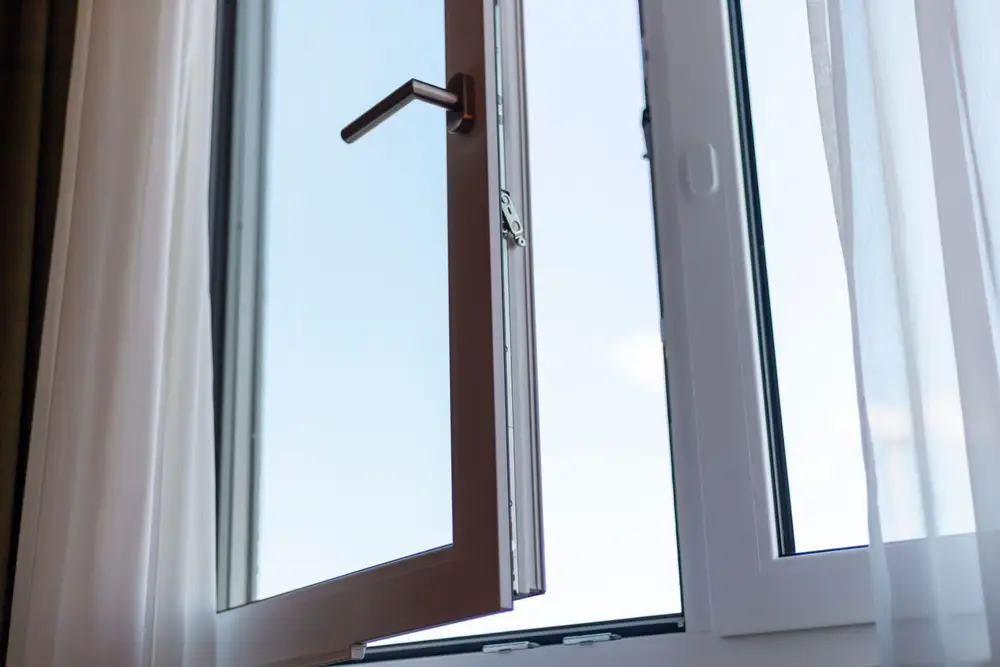
Calgarians spend a lot of the year indoors, and the air inside a sealed-up winter home can hold far more dust, humidity, and allergens than most people realize. Stale indoor air affects sleep, allergies, and general comfort, yet one of the most effective tools for improving it is often overlooked: the windows. The way your windows open, seal, and ventilate has a direct impact on how fresh your home feels every day.
Window Craft installs residential windows across Calgary that are built to seal tightly in winter and ventilate effectively when you want fresh air, and this guide explains how the right choices support healthier indoor air.
The Hidden Problem With a Tightly Closed Home
Keeping windows shut all winter traps warmth, but it also traps everything else: cooking moisture, dust, pet dander, and the carbon dioxide a household exhales overnight. Older windows make this worse in two opposite ways. Leaky frames let in outdoor dust and pollen through gaps you cannot control, while a home that is never ventilated on purpose lets humidity and indoor pollutants build up.
The goal is not a drafty house or a sealed box. It is a home that seals tightly when closed and ventilates cleanly when you choose to open it. Modern windows make that balance possible.
Humidity and the Calgary Condensation Cycle
When warm, moist indoor air meets a cold window, it condenses. Beyond the nuisance of foggy glass, persistent moisture encourages mould and dust mites, both of which aggravate allergies. Well-sealed, insulated windows keep interior glass warmer, which reduces condensation, and purposeful ventilation carries excess humidity out before it settles.
Window Styles That Ventilate Well
Not all windows move air equally. If fresh air is a priority, the style you choose matters.
Awning Windows for Rain-Friendly Fresh Air
Awning windows hinge at the top and open outward from the bottom, so they can stay open during a light Calgary rain without letting water in. That makes them ideal for kitchens and bathrooms, where you want to vent steam and odours even in damp weather. Letting that moist air escape is one of the simplest ways to protect indoor air and reduce condensation.
Casement Windows for a Strong Cross-Breeze
Casement windows crank open wide and can catch a breeze from the side, scooping outdoor air into a room. Positioned thoughtfully on opposite sides of a home, they create a cross-breeze that flushes stale air out quickly, which is especially welcome on a mild evening after a stuffy day.
Sliders for Easy Everyday Airflow
Single slider windows glide open along a track and are simple to operate day to day, making them a practical choice for bedrooms and living areas where you want quick, easy ventilation. Their straightforward operation encourages the habit of airing out a room regularly.
Sealing Matters as Much as Opening
A window that ventilates well in summer must also seal tightly in winter, otherwise it leaks dust and pollen year round. Properly installed, weather-sealed windows give you control: closed means closed, with no uninvited outdoor air sneaking through worn gaskets. That control is the foundation of good indoor air, because it lets you decide when outdoor air comes in rather than having it forced on you through leaks.
Why Installation Quality Is the Deciding Factor
Even the best window underperforms if it is installed poorly. Gaps behind the frame, missing insulation, and sloppy sealing all let air and moisture bypass the window entirely. Window Craft focuses on a tight, insulated fit so that the window performs the way it was designed to, both when sealing out winter and when opening for fresh air.
A Simple Plan for Fresher Air at Home
Improving indoor air does not require a complicated system. Start by identifying the rooms that feel stuffy or show condensation, choose window styles that ventilate those spaces well, and make sure every unit seals tightly when closed. Pair that with everyday habits, such as venting the kitchen and bathroom and briefly airing out bedrooms, and the difference in how your home feels is noticeable within days.
Frequently Asked Questions
Can new windows really improve indoor air quality?
Yes. Well-sealed windows stop uncontrolled drafts that carry in outdoor dust and pollen, while styles designed for ventilation let you flush out stale air, humidity, and odours on purpose. Together, that gives you control over the air in your home.
Which window style is best for a bathroom or kitchen?
Awning windows are a strong choice because they hinge at the top and can stay open during light rain, venting steam and odours without letting water in. That helps control the moisture that leads to condensation and mould.
How do windows affect humidity and condensation in Calgary?
Insulated, well-sealed windows keep the interior glass warmer, which reduces the condensation that forms when warm indoor air meets cold glass. Purposeful ventilation then carries excess humidity out of the home.
Does ventilation conflict with keeping heat in during winter?
No. The aim is a window that seals tightly when closed and opens when you choose. You keep the warmth in on cold days and ventilate briefly when you need fresh air, rather than relying on leaks.
Why does installation quality matter for air quality?
A window only performs if it is sealed and insulated properly around the frame. Window Craft focuses on a tight, insulated fit so the window controls airflow as designed, both sealing out winter and opening for fresh air.
Healthier indoor air is within reach for most Calgary homes, and it often starts at the window. A conversation with Window Craft can help you match the right styles and a proper installation to the rooms that need fresher air most.
