
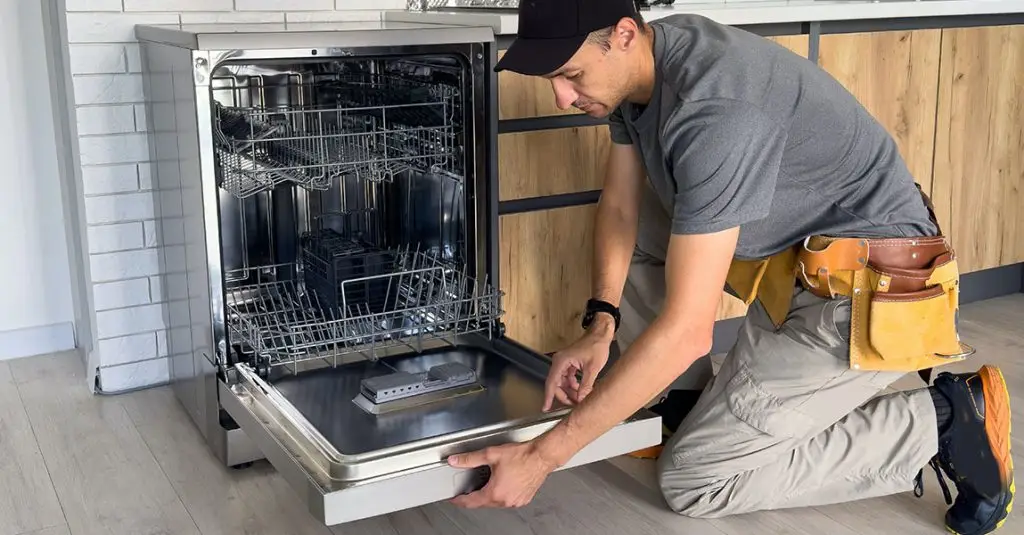
When an appliance breaks down, guessing the cause can lead to wasted time and money. A certified technician uses proven diagnostic steps to identify the real problem before any repair begins. Understanding how these professionals approach their work helps homeowners make better decisions, save costs, and keep appliances running efficiently.
Why Proper Diagnosis Matters
A proper diagnosis prevents unnecessary repairs. Many appliance failures show similar symptoms even when the underlying causes differ. For example, a washing machine that will not spin could have a faulty lid switch, a broken belt, or an electrical control problem. Without accurate testing, a technician might replace a working part while the real issue remains.
Trained Surrey technicians follow a methodical process that isolates faults systematically. This approach reduces repeated visits and ensures each repair solves the core problem, not just the visible symptom.
Step One: Gathering Information from the Homeowner
The first step always starts with listening. Technicians rely on the details homeowners share about when the issue began, what sounds or smells appeared, and whether the problem happens continuously or occasionally.
Small details often reveal large clues. A refrigerator making noise only after the compressor starts points to a motor or fan issue, while a constant noise might suggest a loose component. By collecting accurate information before touching the appliance, a technician saves time and prevents unnecessary disassembly.
Step Two: Visual Inspection
After gathering initial information, a technician performs a full visual check. They look for loose connections, burnt wiring, leaks, or signs of physical wear. This stage also includes checking if the appliance is receiving power correctly.
Many breakdowns stem from simple causes such as tripped breakers or disconnected hoses. A skilled technician verifies these basics first. Addressing these quick fixes can restore function immediately without deeper repair.
Step Three: Functional Testing
Once the appliance’s exterior and power supply appear sound, the technician tests how it behaves when powered on. For example, a dryer that heats but does not spin requires a different approach than one that spins without heat.
Certified technicians know how to test each stage of operation safely. They listen for unusual sounds, monitor temperatures, and observe cycles. The goal is to reproduce the problem while ensuring no further damage occurs.
Step Four: Using Diagnostic Tools
Modern appliances contain sensors, electronic boards, and safety features that require precise testing. Certified technicians use specialized meters, thermal scanners, and diagnostic codes to identify where the failure originates.
Multimeters check voltage, continuity, and resistance across different components. For instance, if a dishwasher does not drain, a continuity test determines whether the pump motor is intact or burned out. In more advanced appliances, technicians read diagnostic codes directly from the display or control board to pinpoint malfunctioning sensors.
These tools replace guesswork with measurable data, ensuring the repair targets the exact fault.
Step Five: Verifying the Root Cause
Finding the immediate issue is not always enough. A burnt fuse or blown capacitor may signal a larger electrical imbalance or moisture intrusion. Certified technicians trace the chain of causes until they reach the true origin of the failure.
For example, replacing a blown thermal fuse in a dryer is simple, but without cleaning the clogged vent that caused overheating, the same issue will return. Correct diagnosis means addressing the whole system, not only the damaged part.
Step Six: Testing After the Repair
An accurate diagnosis does not end once a new part is installed. A professional always retests the appliance to ensure the repair resolved the issue completely. This step confirms that performance and safety have returned to normal.
In many cases, technicians also perform preventive maintenance during the final check. They might tighten loose fittings, clean coils, or recalibrate sensors to prevent similar issues later. This careful verification separates certified professionals from quick fixers.
The Role of Certification and Training
Certification proves that a technician has undergone formal education and meets industry standards for safety and accuracy. Certified Surrey technicians must stay updated with new appliance technologies, from energy-efficient refrigerators to smart ovens.
Continuous training teaches them to interpret manufacturer codes, follow diagnostic flowcharts, and comply with local electrical and safety regulations. This knowledge shortens the time needed to identify faults and reduces the risk of further damage during testing.
Homeowners often underestimate how quickly technology changes. A technician who repaired older mechanical washers ten years ago now deals with machines that use complex sensors and digital controls. Certification ensures the technician keeps up with these changes and uses the right methods for each model.
Benefits of Professional Diagnosis
Getting an accurate diagnosis offers several real advantages:
It saves money by avoiding unnecessary part replacements.
It prevents repeated breakdowns through thorough cause analysis.
It improves appliance efficiency and lifespan by addressing hidden issues.
It ensures safety by identifying electrical faults before they cause damage.
While it may seem cheaper to replace parts on your own, misdiagnosis often results in wasted expenses and even greater damage. A certified professional’s process leads to long-term reliability.
How Homeowners Can Support Accurate Diagnosis
Homeowners can play a role in helping technicians diagnose correctly. Keeping track of when the issue began, noting any recent power surges or water leaks, and sharing the appliance’s model number all contribute to faster and more precise repairs.
Allowing easy access to the appliance and keeping the surrounding area clear also saves time. For instance, if a refrigerator sits tightly between cabinets, a technician may need space to reach the compressor or condenser coils. Preparing in advance makes the process smoother.
Why Local Experience Makes a Difference
Technicians who work locally in Surrey understand the most common issues faced by households in the area. Hard water can affect dishwashers and washing machines, while humidity and temperature changes can impact refrigerators.
A local expert who frequently handles these conditions recognizes patterns faster and knows the best long-term solutions. Their familiarity with nearby suppliers also speeds up part replacements when necessary.
You can learn more about trusted appliance repair in Surrey and how local technicians approach diagnosis with precision and reliability.
When Technology Enhances Diagnosis
Many Surrey professionals use smart diagnostic tools that connect wirelessly to modern appliances. These devices read error codes directly, measure live data, and generate instant reports.
For example, a technician can see whether a refrigerator compressor draws the correct amperage or whether a dryer sensor reads accurate temperatures. This immediate feedback eliminates speculation and speeds up the decision on whether a component needs repair or replacement.
Some tools even allow remote monitoring, where a technician can assess performance data before arriving on-site. This improves efficiency and helps prepare the right parts in advance.
The Importance of Safety in Diagnosis
Proper diagnosis involves more than just finding what is broken. Safety comes first. Certified technicians understand electrical risks, gas leaks, and fire hazards that can arise when appliances malfunction.
Before any testing, they disconnect power sources and inspect wiring for exposure. When dealing with gas ovens or dryers, they check for leaks and verify ventilation. Safety testing protects both the homeowner and the technician, ensuring repairs happen without incident.
Preventive Insight Gained from Diagnosis
Each diagnostic visit provides valuable preventive insight. When technicians analyze a failure, they often identify early signs of other potential issues. For instance, while checking a refrigerator’s fan motor, they may notice dust buildup on the condenser coils that could reduce efficiency.
By addressing these small findings early, homeowners can prevent future repairs and extend appliance life. A proper diagnosis is not only a fix but also a learning opportunity for both technician and owner.
Choosing the Right Technician
When selecting a technician, look for certification, experience, and clear communication. A professional who explains the process, provides written estimates, and tests before and after the repair shows reliability.
You should also confirm that the technician follows manufacturer procedures and uses quality replacement parts. This ensures that any diagnostic findings lead to durable repairs, not temporary fixes.
If you ever face appliance problems and need an expert evaluation, it’s easy to contact us for prompt and professional service.
FAQ
Why is professional diagnosis better than self-checking?
A certified technician uses tools and training that detect internal issues homeowners cannot see or measure accurately.
How long does a diagnostic appointment usually take?
Most standard diagnoses take between thirty minutes and one hour, depending on the appliance’s complexity and accessibility.
What information should I provide before a technician arrives?
Share the appliance model number, describe the symptoms clearly, and mention any previous repairs or power events.
Can diagnostic tools damage my appliance?
No. Certified technicians use noninvasive meters and scanners designed to test safely without affecting performance.
Do technicians always find the exact cause on the first visit?
In most cases, yes. When parts need special ordering or further testing, the technician explains the situation clearly and provides next steps.
