
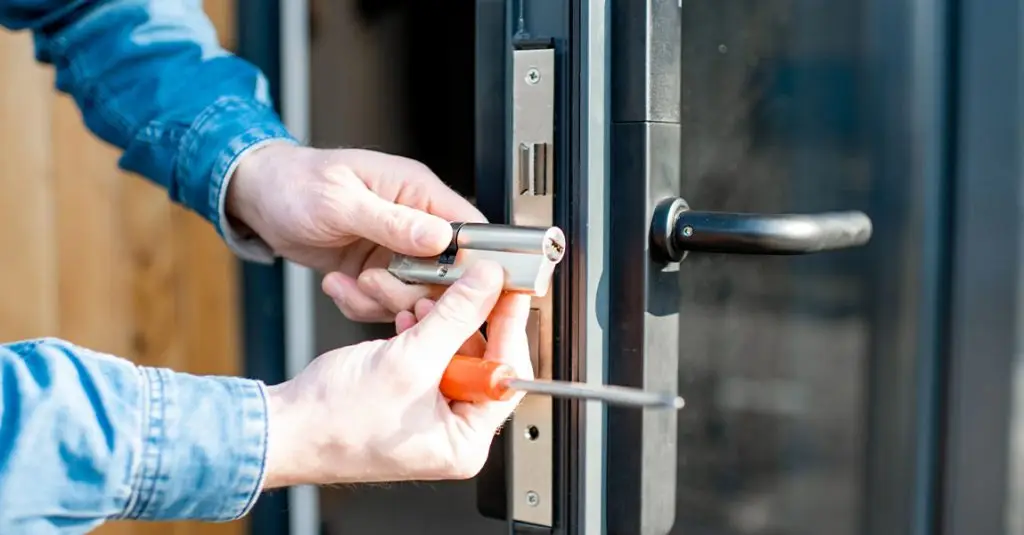
Home security is something most people only think about after something goes wrong. But taking preventive steps before a break-in happens makes the biggest difference. One of the most effective ways to strengthen your home’s defenses is by upgrading to high-security locks. While it may seem like a small detail, the type of lock on your doors can be the deciding factor between safety and vulnerability.
Why Standard Locks Are Easy to Bypass
Most traditional locks rely on pin-and-tumbler mechanisms, which can be opened with basic lockpicking tools or even improvised objects. Criminals who target homes often practice these techniques because they know how common low-grade locks are. A standard key can also be easily duplicated without your knowledge. Some older locks can even be forced open with blunt tools through a method called lock bumping, which requires no special training.
When a lock is mass-produced without restricted key access or added resistance mechanisms, it’s usually not built to handle real-world threats. Burglars don’t need to spend much time on these locks, and that makes them an easy target.
The Main Advantages of High-Security Locks
High-security locks take these weaknesses into account. They are built with hardened steel, complex internal structures, and patented keyways that make picking, drilling, and bumping nearly impossible. They also include features that resist tampering and key duplication.
We can look at it this way: a high-security lock is not only a physical barrier but also a psychological one. A visible, advanced locking system signals that breaking in would take time and skill. Most intruders prefer quick, easy access and will move on to the next target when they encounter a quality lock.
If you are unsure what type of protection your home currently has, it may be worth consulting a professional locksmith in Calgary who can evaluate your existing setup and suggest practical upgrades for your situation.
Understanding Lock Grades and Ratings
Lock security isn’t random. Locks are tested under standardized conditions and graded by the American National Standards Institute (ANSI) and the Builders Hardware Manufacturers Association (BHMA).
Grade 3 is the most basic level of security. These locks are often used in interior doors or budget-friendly hardware. They meet minimum standards but are not ideal for exterior entry points.
Grade 2 offers medium security. These locks are better suited for residential entry doors and light commercial use. They withstand more force and repeated use compared to Grade 3.
Grade 1 is the top level of security available for residential properties. These locks are tested to endure extreme pressure, repeated impacts, and attempted drilling. High-security locks generally fall into this category, making them a reliable choice for homeowners who want long-term protection.
Knowing what grade your lock falls under helps you make informed decisions when replacing or upgrading it.
The Role of Keys in Preventing Unauthorized Access
Even the most advanced lock can become vulnerable if its key can be easily copied. Many high-security locks use restricted key systems, which means that only authorized locksmiths or manufacturers can produce duplicates. This prevents situations where someone you once gave a key to can make copies without your knowledge.
Some modern systems go even further by using patented key blanks that expire after a certain number of years. Once a patent expires, key blanks become available for anyone to duplicate. For this reason, it’s smart to choose a brand that maintains active patents for long-term key control.
We often underestimate how often keys get misplaced or borrowed. Restricted key systems remove this uncertainty and keep control in your hands.
Deadbolts vs. High-Security Cylinders
Deadbolts are often the first line of defense on most doors, but not all deadbolts are the same. A standard single-cylinder deadbolt can be opened with the right tools if the lock isn’t reinforced. High-security deadbolts, on the other hand, use hardened steel bolts and reinforced strike plates that make forced entry extremely difficult.
If you want maximum protection, pairing a Grade 1 deadbolt with a reinforced strike plate and solid-core door gives the best results. It’s not just about the lock itself but how it integrates with the door and frame. A high-security lock system spreads impact across multiple components, making it harder for a single weak point to fail.
Reinforcing Entry Points Beyond Locks
While high-security locks are essential, the door and frame matter just as much. Even the best lock can be compromised if it’s installed on a weak or hollow door. Solid wood or metal doors are much harder to break. Reinforcing the frame with metal plates can prevent intruders from kicking in the door, which is one of the most common forced entry methods.
Windows near doors also present a risk. If an intruder can reach inside to turn a knob, the lock’s strength becomes irrelevant. Using double-cylinder deadbolts, which require a key on both sides, or placing reinforced glass film on nearby windows can prevent this.
Lighting also plays a role. Well-lit entrances discourage intruders, especially if motion-sensor lights are installed. Combining these physical and environmental defenses creates multiple layers of security that work together.
Smart Locks with High-Security Features
Modern smart locks combine convenience with strength. The best models include encrypted communication to prevent hacking, built-in alarms for tampering, and automatic locking features that secure your door when you forget.
However, not all smart locks are created equal. Many budget smart locks focus on digital convenience rather than physical durability. When choosing a smart system, always check whether it meets Grade 1 or Grade 2 security standards.
A well-chosen high-security smart lock gives you remote access control while still providing mechanical protection. You can track entry logs, assign digital keys to family members, and receive alerts if the door remains unlocked.
For households that often have guests or service providers, smart locks reduce the need for spare physical keys. This alone can eliminate a major source of security risk.
The Importance of Proper Installation
Even the most advanced lock will not perform correctly if it’s poorly installed. Alignment issues, loose screws, or uneven door frames can make a high-security lock less effective. Professional installation ensures that the bolt fully extends into the strike plate and that the door frame can handle stress during forced entry attempts.
We have seen homeowners buy high-grade locks but install them themselves without realizing that the strike plate wasn’t anchored properly. That small mistake can make a big difference in an actual break-in attempt.
If you have recently purchased a new lock or moved into a new home, it’s worth hiring an expert to inspect the installation. A small adjustment or reinforcement now can save significant trouble later.
Upgrading Older Locks for Modern Protection
Many older homes still have locks that were considered secure twenty years ago but are outdated by today’s standards. If your locks have loose cylinders, visible rust, or worn keyholes, it’s time to replace them.
You don’t necessarily need to replace the entire door hardware system. Many modern locks can retrofit existing doors. This allows you to improve security without major renovation.
When choosing a replacement, look for locks with hardened steel inserts, anti-drill pins, and restricted keys. These are the minimum features that define modern high-security standards.
Why Burglars Avoid Homes with Visible Security Measures
Break-ins are often crimes of opportunity. Thieves look for signs of easy access such as old locks, unlit entryways, or missing deadbolts. When they see a property with reinforced doors, modern locks, and security signage, they are more likely to skip it.
Security is partly about perception. You want your home to look like the most difficult one on the block to break into. Even small visible upgrades like keypads, double deadbolts, and reinforced strike plates can make a big psychological difference.
The Cost of Prevention vs. the Cost of Recovery
It’s common to see people delay upgrading locks because of cost, but the reality is that prevention is always cheaper than dealing with a break-in. Replacing stolen items, repairing damage, and restoring a sense of security can be far more expensive than investing in high-quality locks.
Insurance may cover some losses, but it cannot replace peace of mind. When your home feels safe, everything else in daily life feels easier.
When to Re-Key or Replace Your Locks
Moving into a new home is one of the best times to re-key or replace locks. You never know who may have an old key, from contractors to former tenants. Re-keying changes the internal mechanism of the lock so that old keys no longer work.
If your locks are already high-security models, re-keying may be sufficient. However, if they are basic models or show signs of wear, a full replacement is a smarter investment.
We recommend re-keying whenever you lose a key, change roommates, or experience a burglary attempt. It’s a quick and affordable step that keeps control firmly in your hands.
Getting Professional Guidance
Choosing the right lock involves more than just picking something that looks secure. Every home has unique needs based on its structure, neighborhood, and level of exposure. A professional locksmith can assess these details and help you select locks that offer real protection instead of a false sense of security.
If you want to explore secure options for your home or office, you can reach out through the contact us page to discuss available lock upgrades or schedule an inspection. Having an expert review your current security setup ensures that your efforts are effective and up to modern standards.
FAQ
What makes a lock “high-security”?
High-security locks use hardened materials, complex keyways, and restricted key duplication systems. They also resist common break-in methods such as drilling, bumping, or picking.
Can I install a high-security lock myself?
You can, but it’s not recommended. Incorrect installation can reduce the lock’s effectiveness. Professional installation ensures the bolt aligns correctly and the frame can withstand force.
Do high-security locks require maintenance?
Yes. Regular lubrication and cleaning keep them functioning smoothly. Dirt or debris can cause mechanical issues over time.
How do I know if my current locks need replacing?
If your locks are loose, rusted, or easy to turn with minimal resistance, they may be outdated. You should also consider replacement if your keys can be copied without authorization.
Are smart locks secure enough for exterior doors?
Yes, if they meet proper security standards. Look for smart locks rated Grade 1 or 2 and ensure they include mechanical reinforcement along with digital encryption.
