
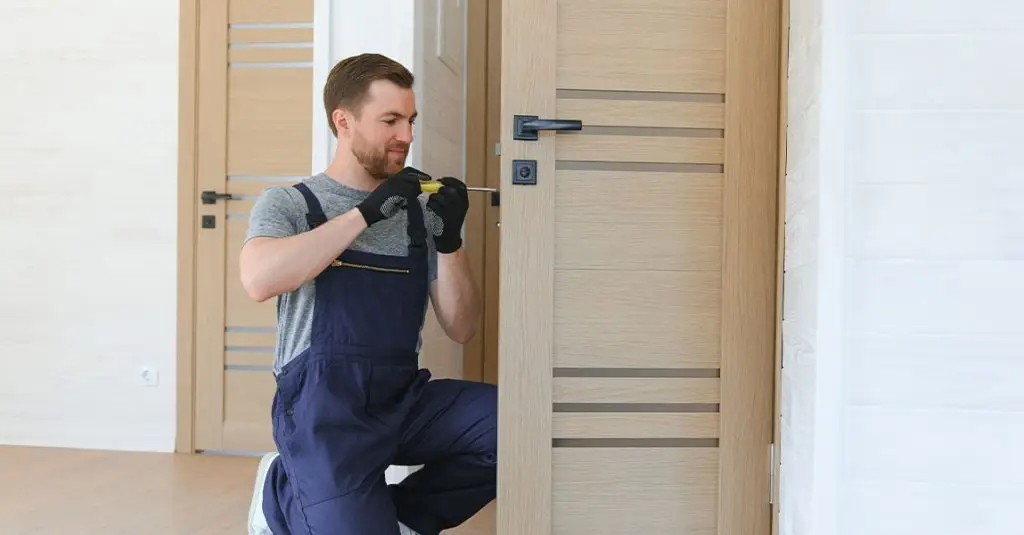
Moving into a new home is exciting, but it also brings responsibility. One of the most overlooked tasks after unpacking boxes is securing the property. A fresh start should also mean fresh locks, safe doors, and peace of mind. We often assume that new homes are automatically safe, but the reality is that many people may still have keys to your property. Whether it’s the previous owners, contractors, or real estate agents, it’s always smart to take control of your home’s security from day one.
Why Securing a New Home Matters
When we move in, the first instinct is to settle quickly and enjoy the new space. However, safety should come before comfort. Unknown copies of keys can lead to easy unauthorized access. Even newly built homes are not exempt. Construction workers, cleaners, or inspectors may still have working keys or codes. Taking immediate steps to secure the house creates a foundation of trust and safety for our family and belongings.
Changing locks and checking all access points prevents potential intrusions and ensures that only we have control over who enters. It’s not about distrust; it’s about responsibility. A small investment in proper locksmith work often saves us from larger worries later.
Rekeying vs Replacing Locks
The first step in home security is deciding whether to rekey or replace the locks. Rekeying involves adjusting the existing lock so that it works with a new key. It’s often the more affordable option, especially if the locks are still in good condition. This process eliminates any old keys from working while keeping the same physical hardware.
Replacing the locks, on the other hand, is ideal when the current ones are worn out or low quality. It’s also a good opportunity to upgrade to stronger locks with modern features, such as anti-pick cylinders or reinforced strike plates.
When we work with a locksmith in Calgary, we can rely on expert advice about which option suits our situation best. They can inspect the locks, test their durability, and suggest the most effective solution for long-term security.
Inspecting Entry Points
Before unpacking, it’s worth taking a slow walk around the home to check every possible entry point. We should test all doors, including those leading to the garage, basement, and backyard. Weak hinges, loose screws, or damaged frames compromise the lock’s effectiveness, no matter how advanced the mechanism is.
Windows are another critical point. Many homeowners overlook them, but ground-level windows are often targeted by intruders. Installing secondary locks or window bars in vulnerable spots can prevent easy access. It’s also wise to check sliding glass doors. These doors often have simple latches that can be lifted off the tracks without much force. A simple security bar or pin can make a huge difference.
Smart Locks and Keyless Systems
Modern home security is not limited to metal keys. Smart locks provide flexibility and convenience that traditional locks cannot. They allow us to control access through smartphones or keypads and to monitor who enters and when.
While they offer many benefits, they are still locks that need professional setup to avoid vulnerabilities. Incorrect installation or weak Wi-Fi protection can make them easy to bypass. A skilled locksmith ensures that the electronic components are installed correctly and that the system integrates securely with our door and frame.
If we choose a smart system, we should also create strong digital passwords and change them regularly. Keeping the app updated protects it from new security threats. Technology adds comfort, but real security comes from a balanced combination of good products and correct installation.
Reinforcing Doors and Frames
Even the strongest locks fail if the door or frame is weak. Many break-ins occur not because the lock was picked but because the door was forced open. A locksmith can reinforce doorframes with metal strike plates, longer screws, and door jammers. These upgrades make it much harder for an intruder to kick or pry the door open.
Solid-core or metal doors provide better protection than hollow ones. If we’re living in an older home, checking the material of each exterior door is a must. A small reinforcement job can turn a vulnerable entry into a solid barrier.
Securing Garage and Secondary Entrances
Garages are often the weakest point in home security. Many people keep the interior door from the garage to the home unlocked out of convenience. That creates an easy path for intruders. We should treat the garage as part of the home, not an external structure. Installing proper locks or electronic keypads on both garage doors and connecting doors ensures complete coverage.
Side and back entrances should never be forgotten either. They are usually less visible from the street and often the first targets during break-ins. Ensuring these doors have the same level of security as the front door keeps the entire perimeter consistent.
Protecting Windows and Patio Doors
Windows should close tightly without gaps. Simple additions like window locks or security film can slow down intruders. Patio doors need extra attention because they’re easy to lift off their tracks. A wooden or metal rod placed inside the track is an old but effective solution.
If the home includes a basement with windows, we can add metal grilles or motion lights nearby. These subtle layers of protection often deter potential trespassers before they even try.
The Role of Professional Locksmith Services
A professional locksmith doesn’t just replace locks. They assess the overall security of the property. They identify weak points that might not be visible to an untrained eye. A full security inspection covers locks, frames, windows, garage access, and outdoor structures like sheds or gates.
Locksmiths can also recommend lock brands and grades that meet or exceed local security standards. They help balance cost and protection, ensuring we don’t overspend on unnecessary technology but still maintain reliable safety.
Most importantly, they perform installation correctly. A common mistake homeowners make is trying to install locks themselves. Even slight misalignment can weaken the lock’s resistance. Having a professional handle the work ensures that everything fits and functions as designed.
Establishing a Routine for Security Maintenance
Locks and keys are mechanical devices. They need maintenance like any other moving part. Dust, moisture, and constant use can affect their performance. Every few months, we should test all locks, oil the mechanisms lightly with graphite or silicone spray, and make sure they turn smoothly.
Outdoor locks especially benefit from seasonal checks. Freezing temperatures, rain, or dust can jam cylinders. Keeping the area around the lock clean prevents buildup that could lead to damage.
If we lose a key or suspect that one has been stolen, rekeying should be done immediately. It’s always safer to act early rather than wait for a problem.
When to Upgrade
Home security is not a one-time task. It should evolve with our needs. Whenever we make home improvements or notice signs of wear, it’s a good time to reassess the locks. Modern locks are stronger, more precise, and often come with additional safety features like pick resistance or key duplication control.
Upgrading to higher-grade locks not only increases protection but can also reduce insurance premiums in some cases. It’s worth asking a professional about the standards recognized by insurance companies.
Building a Layered Security System
True security comes from layers. No single lock or camera can guarantee safety. Combining several elements creates the best defense. Locks are the first layer. Motion lights, cameras, and neighborhood awareness add more. We should also keep bushes trimmed near doors and windows to avoid providing hiding spots.
Simple habits like always locking doors, even during the day, make a big difference. Security is mostly about consistency. The tools help, but our attention keeps them effective.
When to Call a Locksmith
We should never wait until we are locked out or after an incident to call a locksmith. They can help prevent problems long before they happen. For example, if a lock feels loose or a key sticks, it’s best to fix it immediately rather than force it. A quick inspection can prevent future lockouts or damage.
If you have just moved or are unsure who might still have access to your home, contact a locksmith for a full rekeying or security audit. A trusted expert can make sure that only your family holds the keys.
When you’re ready to make that step, you can easily contact us to arrange an appointment or ask questions about securing your new property.
Frequently Asked Questions
Why should I rekey my new home instead of replacing all the locks?
Rekeying is often more affordable and just as effective if the locks are in good shape. It changes the key pattern, making old keys useless while keeping your existing hardware.
Are smart locks safer than traditional locks?
Smart locks can be secure when installed properly and used with strong passwords. They offer convenience but require proper setup and software updates to stay safe.
How often should I replace my locks?
Locks last several years, but exposure to weather, wear, or lost keys can shorten their lifespan. A review every few years keeps your security up to date.
What is the best way to secure a sliding glass door?
Adding a security bar or pin to the track prevents the door from being lifted or forced open. Reinforced locks and motion lights nearby also help.
How do I find a reliable locksmith?
Look for licensed professionals with local experience and transparent pricing. Reading reviews and asking for recommendations helps ensure you choose a trustworthy expert.
By securing your home properly from the start, you take control of your safety and peace of mind. Locks are more than metal and keys; they represent the comfort of knowing your new home truly belongs to you.
