
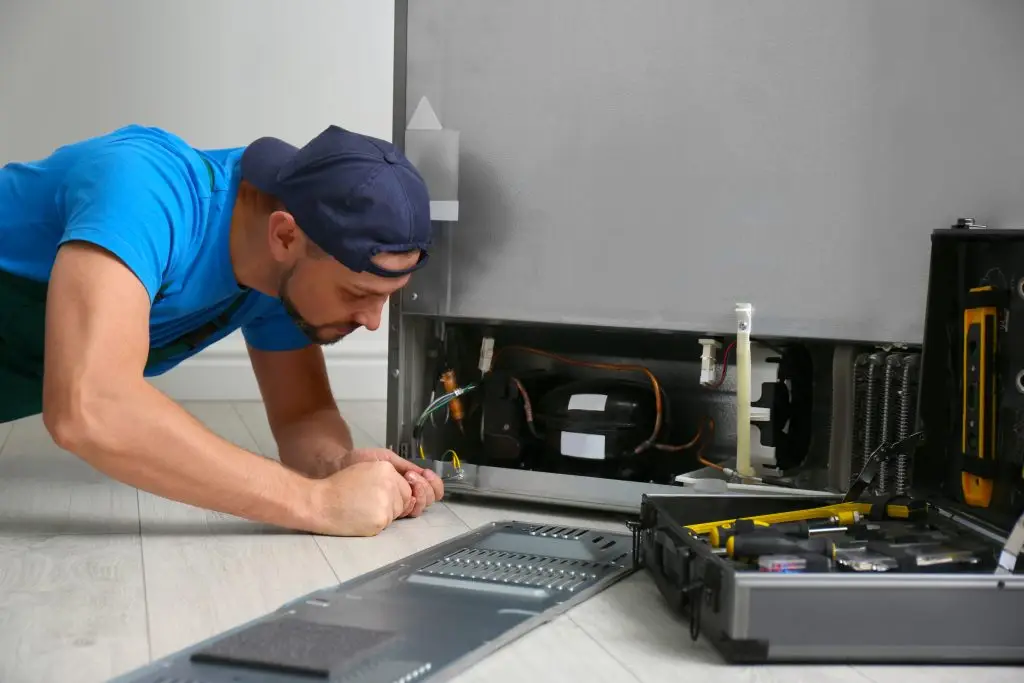
Fridge maintenance is one of those chores that often falls to the bottom of the list. However, our team knows that a little bit of care goes a long way in keeping your groceries cold. When you take the time to look after your appliance, you save money on electricity and prevent food from spoiling too soon. Most people do not realize that a fridge works quite hard every single day of the year. Because it never takes a break, small problems can quickly turn into big ones if you do not pay attention to the signs.
Our professional technicians believe that a clean fridge is a healthy fridge. Consequently, you should make it a habit to check your door seals and coils regularly. If the seals are loose, cold air escapes, and your motor has to work twice as hard. This extra strain leads to higher bills and eventual breakdowns. By following a simple routine, you can ensure your kitchen stays functional and your meals stay safe for your family to eat.
Why Regular Cleaning Matters for Your Fridge
Cleaning is the most basic form of maintenance you can perform. Firstly, you should wipe down the interior shelves to prevent bacteria growth. Spilled milk or juice can create mould that affects the quality of your fresh produce. Secondly, our team recommends vacuuming the condenser coils located at the back or bottom of the unit. Dust and pet hair often build up on these coils, which prevents the fridge from releasing heat efficiently.
Moreover, a crowded fridge can actually hinder the cooling process. While it might seem like a good idea to stock up, air needs room to circulate around your items. If the vents are blocked by large containers, some areas of the fridge will stay warm while others might freeze. Jay Appliance Repair suggests keeping your fridge about three-quarters full for the best results. This allows for steady airflow while still having enough cold items to help maintain the internal temperature.
Checking the Temperature and Door Seals
Maintaining the right temperature is vital for food safety. Generally, your fridge should stay between 1°C and 4°C. If it gets any warmer, your milk will sour faster and meat can become dangerous. Furthermore, you should check the rubber gaskets around the doors. These seals keep the cold air inside where it belongs. You can test them by closing the door on a piece of paper. If the paper slides out easily, your seals are likely worn out and need replacing.
In addition to the seals, you must listen to the sounds your appliance makes. A loud humming or a clicking noise often means the compressor is struggling. When you notice these sounds, it is best to act quickly before the unit stops working entirely. If you find that your frozen goods are starting to melt, you might need to look into professional freezer repair Leduc to protect your investment. Addressing these small issues early prevents the need for a total replacement later on.
Simple Steps for Monthly Maintenance
To keep things running smoothly, our professional technicians suggest a monthly checklist. Start by checking the defrost drain. If this gets clogged with food particles or ice, you might find a puddle of water at the bottom of your fridge. You can usually clear this with a small funnel and some warm water. Next, replace your water filter if your fridge has a built-in dispenser. Old filters can hold onto contaminants and make your water taste strange.
Additionally, pay attention to how often the motor kicks on. If it seems to be running constantly, your fridge is likely struggling to stay cool. This could be due to a faulty thermostat or simply because the door is being opened too often. Jay Appliance Repair reminds customers that every time the door opens, the cold air falls out and the warm air rushes in. Keeping your door openings brief helps the appliance maintain a steady environment for your food.
How to Handle Common Fridge Issues
Sometimes, even with the best care, things go wrong. You might notice that your fridge is leaking or that it is making a strange vibrating sound. Usually, a vibrating sound means the fridge is not level on the floor. You can adjust the feet at the bottom to stop the shaking. If you see water on the floor, check the ice maker connections first. A loose hose is a common culprit for kitchen floods.
However, if the cooling system fails, you need a reliable appliance repair Leduc expert to diagnose the problem. Modern fridges have complex computer boards and sensors that require specialized tools to fix. Do not try to take apart the motor yourself, as this can be dangerous and might void your warranty. Instead, trust our team to handle the heavy lifting so you can get back to your normal routine without stress.
Protecting Your Appliance for the Long Term
Long-term care involves more than just cleaning. You should also ensure that your fridge has enough space around it for ventilation. If a fridge is pushed too tightly against the wall, the heat it generates has nowhere to go. This causes the internal components to overheat and fail prematurely. Our professional technicians always recommend leaving at least an inch of space on all sides of the unit.
Finally, remember that Jay Appliance Repair is here to help when maintenance is not enough. Keeping your fridge in top shape saves you from the headache of throwing away a week’s worth of groceries. By staying proactive and watching for small changes, you can enjoy a cold, efficient fridge for many years. We take pride in helping our neighbours keep their kitchens running perfectly with simple, effective advice.
Frequently Asked Questions
How often should I clean my fridge coils? Our team recommends cleaning the condenser coils at least twice a year. If you have pets that shed a lot of fur, you should check them every three to four months to prevent buildup.
What is the best temperature for a home refrigerator? The ideal temperature for a fridge is between 1°C and 4°C. Your freezer should be set to -18°C to ensure everything stays completely frozen and safe for long periods.
Why is there water pooling at the bottom of my fridge? This is usually caused by a blocked defrost drain. Food crumbs or ice can clog the small hole that allows moisture to escape, causing water to back up into the fridge cabin.
How do I know if my fridge door seal is bad? You can perform the “dollar bill test.” Place a bill or a piece of paper in the door and close it. If you can pull the paper out with no resistance, the seal is too loose.
Why does my fridge run all the time? Your fridge might run constantly if the coils are dirty, the seals are leaking air, or the thermostat is set too low. Jay Appliance Repair can help identify the exact cause if a good cleaning does not fix the issue.
