
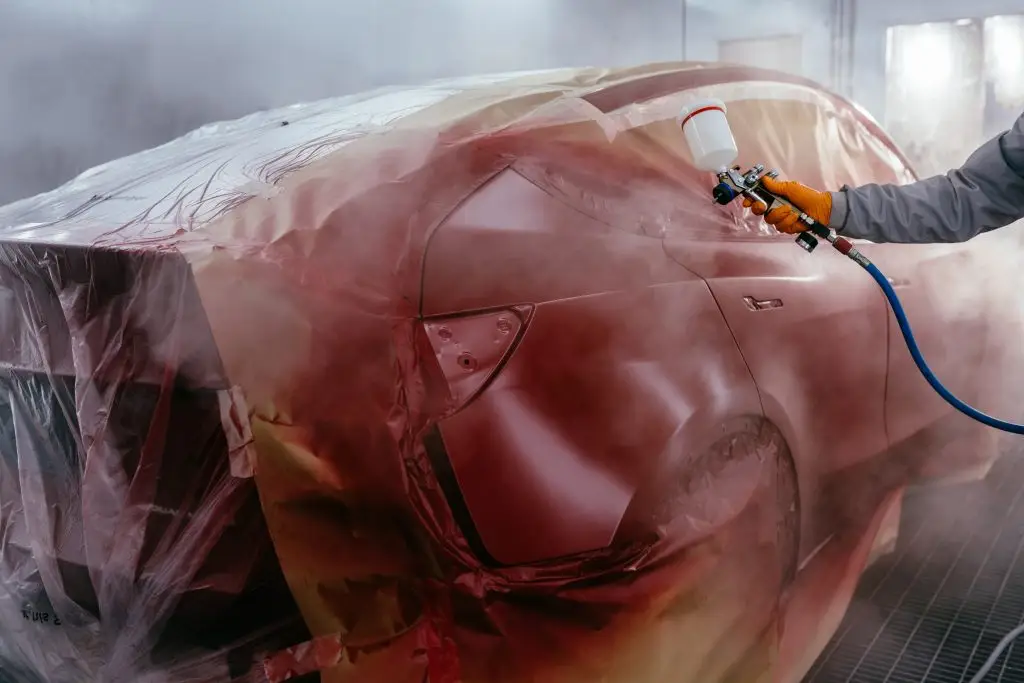
Achieving a flawless finish on plastic surfaces often feels like a daunting task for many DIY enthusiasts and professionals alike. Unlike metal or wood, plastic possesses unique chemical properties that can repel paint if we do not prepare the surface correctly. At Legacy Coatings, we understand that the secret to a long-lasting, beautiful result lies entirely in the preparation and the science of adhesion. When we approach a plastic coating project, we focus on breaking down the barriers that prevent chemical bonding. By following a few professional strategies, we ensure that our coatings stick firmly and resist peeling, even under harsh conditions.
Understanding the Challenges of Plastic Surfaces
Plastics are non-porous and often have low surface energy. This means liquids, including paint and clear coats, tend to bead up rather than spread out and grip the material. Additionally, many plastic parts are manufactured using “mould release agents.” These are oily substances applied to the factory moulds to help the plastic part pop out easily. If these oils remain on the surface, no amount of high-quality paint will stick. Our team always emphasises that cleaning is the most critical first step. We must remove every trace of silicone, oil, and wax before we even think about reaching for a spray gun or brush.
The Essential Cleaning Process
To begin, we recommend washing the plastic item with warm, soapy water. This removes heavy dirt and grime. However, soap alone is rarely enough. We then use a specialised plastic cleaner or a wax and grease remover. Using a lint-free cloth, we wipe the surface in one direction to lift contaminants rather than just spreading them around. This process creates a “chemically clean” surface. If we notice water beading on the plastic during the rinse phase, we know contaminants are still present. We continue cleaning until the water sheets off evenly, signalling that the surface is ready for the next stage of preparation.
Abrasion and Creating a Mechanical Bond
Once the surface is clean, we need to create a “profile” for the paint to grab onto. Since plastic is smooth, we use fine-grit sandpaper—typically between 600 and 800 grit—to lightly scuff the area. This does not mean we want to gouge the material. Instead, we are looking to remove the gloss and create microscopic scratches. These tiny grooves act like anchors for the coating. After sanding, we must clean the part again to remove any plastic dust. This combination of chemical cleaning and mechanical sanding is the foundation of Legacy Coatings success in every project we undertake.
The Power of Adhesion Promoters
Even with perfect sanding, some plastics like polypropylene or polyethylene are notoriously difficult to bond with. This is where an adhesion promoter becomes a game-changer. An adhesion promoter acts as a dual-sided tape at a molecular level. One side bonds to the difficult plastic, while the other side provides a surface that the primer can easily grip. We apply a thin, even coat of this clear liquid and allow it to flash off according to the manufacturer’s instructions. This step is often the difference between a professional-grade finish and a coating that flakes off within a month.
Choosing the Right Primer and Paint
Not all primers are created equal. For plastic, we always select a flexible primer. Plastic expands and contracts with temperature changes and can flex during use. If we use a stiff primer meant for metal, the coating will eventually crack. By using a high-quality automotive paint supplier to source flexible additives and specialised primers, we ensure the finish moves with the plastic. When we apply the paint, we prefer several light coats rather than one heavy, wet coat. Light coats allow the solvents to evaporate properly, which prevents the paint from softening the plastic substrate underneath.
Final Coating and Curing
The final step in our process is the topcoat or clear coat. This layer provides the UV protection and chemical resistance needed to keep the plastic looking new. We must ensure that the base coat has dried sufficiently before applying the clear layer. Once finished, patience is vital. While the plastic might feel dry to the touch within an hour, it often takes several days to fully cure and reach its maximum hardness. We advise keeping the item in a dust-free, temperature-controlled environment during this time to prevent imperfections from ruining our hard work.
Avoiding Common Mistakes
One of the most frequent errors we see is skipping the antistatic wipe. Plastic naturally builds up static electricity when it is rubbed or sanded. This static attracts dust particles from the air like a magnet. We use antistatic wipes just before painting to neutralise the charge and ensure a clean environment. Another mistake is painting in high humidity. Excessive moisture in the air can blush the paint, leaving a cloudy or hazy finish. By controlling our environment and following these professional secrets, we achieve a factory-quality finish every time. Legacy Coatings remains dedicated to helping our clients master these techniques for superior results.
Frequently Asked Questions
Can we paint any type of plastic using these methods?
Most common plastics like ABS, PVC, and polycarbonate take paint very well with proper preparation. However, certain plastics labelled as PE (Polyethylene) or PP (Polypropylene) are much more difficult and absolutely require a high-quality adhesion promoter to prevent peeling.
What happens if we do not sand the plastic?
If we do not sand the plastic, the paint has no mechanical “teeth” to grab onto. Even if the paint looks good initially, it will likely peel off in large sheets at the slightest impact or temperature change because it is only sitting on top of the surface.
Is it necessary to use a primer on plastic?
Yes, our professional technicians always recommend a primer. The primer acts as the bridge between the raw plastic and the pigmented paint. It fills in minor sanding scratches and provides a uniform colour and texture for the topcoat to adhere to.
How long should we wait between coats of paint?
We generally wait 10 to 15 minutes between light coats, depending on the temperature and humidity. It is important that the paint is “tacky” but not wet before the next layer is applied to ensure proper inter-coat adhesion.
Why is our paint bubbling on the plastic surface?
Bubbling, or “outgassing,” usually happens if the plastic was not cleaned properly or if the coats were applied too thickly. Trapped solvents or moisture under the paint film try to escape as the paint dries, creating small bubbles or blisters.
