
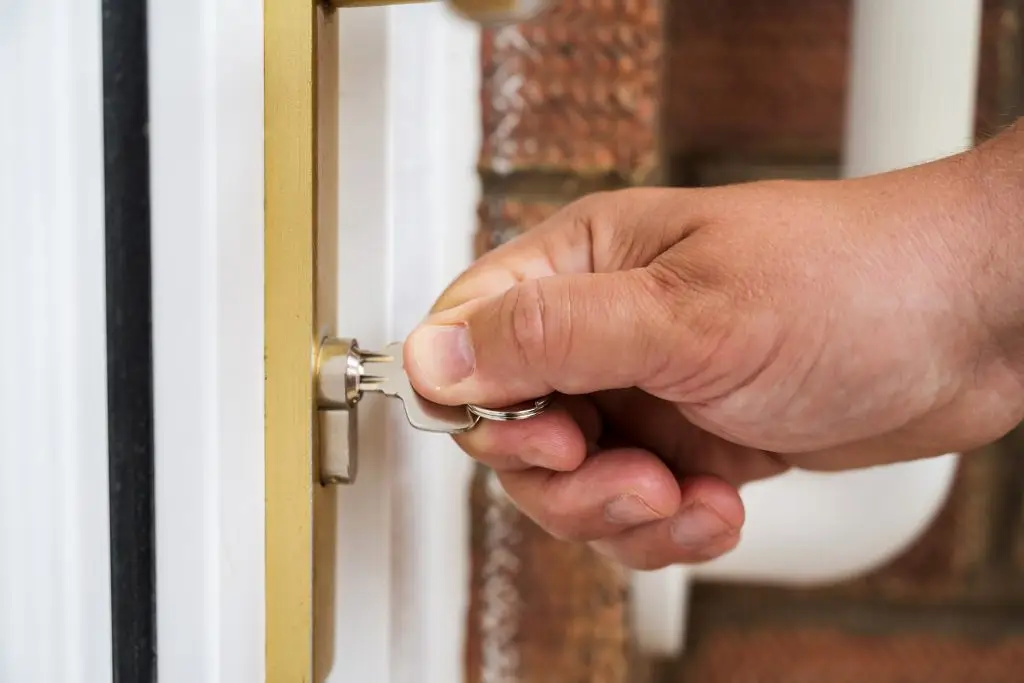
Many homeowners assume their locks are working fine because they still open and close. However, that assumption can lead to serious security risks over time. Locks wear down, keys get duplicated, and systems become outdated without clear warning signs. Therefore, it is important to understand how small issues can turn into bigger problems. At Best K Locksmith, we often see situations where a lock looks normal but fails when it matters most.
Your Lock Feels Loose or Unstable
A lock should feel solid every time you use it. However, if you notice movement in the handle or cylinder, that is a warning sign. Loose locks often mean internal components are wearing out or the installation has shifted over time. As a result, the lock may not fully engage when you turn the key.
This situation creates a hidden risk because the door may appear locked but is easier to force open. In addition, repeated use of a loose lock can damage surrounding hardware. That is to say, the entire door security system becomes weaker with every use.
The Key Turns Roughly or Gets Stuck
A smooth key turn is one of the clearest signs of a healthy lock. However, if your key sticks, resists, or requires extra force, there may be internal damage. For example, dirt buildup, worn pins, or slight misalignment can all affect performance.
Most importantly, forcing the key can lead to breakage inside the lock. Consequently, what starts as a minor inconvenience can quickly turn into a lockout situation. Many homeowners only react after the key stops working completely. Instead, checking the issue early helps avoid costly repairs.
You Have Too Many Old or Untracked Keys
Over time, keys get shared with family members, tenants, contractors, or employees. However, many homeowners lose track of who still has access. This creates a major security concern, especially if you have moved into a new home or changed occupants.
In other words, your lock may still work perfectly, but control over access is already lost. Replacing or rekeying becomes essential in these situations. You can learn more about proper security upgrades through trusted locksmith services that focus on access control and key management.
Your Locks Are Outdated
Older locks may still function, but they often lack modern security features. For instance, basic pin tumbler locks are easier to pick or bypass compared to newer designs. Likewise, older hardware may not meet current safety standards.
Technology has improved significantly in recent years. Therefore, upgrading your locks is not just about convenience but also about protection. Many homeowners delay upgrades because everything “seems fine.” However, outdated locks are one of the most common weak points in residential security.
The Door Doesn’t Align Properly with the Lock
Sometimes the issue is not the lock itself but how it fits within the door frame. If your door shifts slightly, the latch or deadbolt may not fully align with the strike plate. As a result, the lock does not secure the door as intended.
You might notice this when you need to push or pull the door to lock it properly. Over time, this misalignment puts pressure on the lock and reduces its lifespan. In addition, it creates gaps that can be exploited. Fixing alignment early ensures the lock functions correctly under pressure.
You Hear Strange Sounds Inside the Lock
Locks should operate quietly with minimal noise. However, grinding, clicking, or scraping sounds can indicate internal wear. These sounds often mean components are no longer moving smoothly.
Above all, ignoring these noises increases the chance of sudden failure. A lock can stop working without warning once internal parts break or shift. Regular inspection helps identify these issues before they become emergencies.
You’ve Experienced a Break-In Attempt Nearby
Even if your home has not been directly targeted, nearby incidents should not be ignored. Criminals often test locks in a neighborhood before choosing a target. Therefore, weak or outdated locks become easy opportunities.
In such cases, upgrading your system is a proactive step. Many homeowners combine residential improvements with insights from commercial locksmith Ottawa solutions, which often focus on higher-level security standards. This approach adds an extra layer of protection to your home.
Your Lock Requires Frequent Repairs
Occasional maintenance is normal, but repeated issues signal a deeper problem. If you are constantly fixing the same lock, it may be reaching the end of its lifespan. Continuing repairs may cost more than replacing the lock entirely.
Similarly, frequent repairs indicate that reliability is no longer guaranteed. A lock that fails even once at the wrong time can create serious inconvenience or risk. Upgrading ensures consistent performance and peace of mind.
You Rely Only on One Lock
Many homes depend on a single lock for security. However, relying on one point of protection is not always enough. Adding a secondary lock or upgrading to a multi-point system improves overall safety.
In addition, layered security makes it more difficult for unauthorized access. Even if one lock is compromised, another remains in place. This simple improvement significantly increases protection without major changes to your door.
You Haven’t Checked Your Locks in Years
Routine checks are often overlooked. However, locks are mechanical systems that wear down over time. Dust, moisture, and daily use all affect performance. Therefore, regular inspection is just as important as installation.
Homeowners who take a proactive approach avoid sudden failures. In short, checking your locks periodically ensures they continue to provide the protection you expect.
FAQs
1. How often should home locks be replaced?
Locks should be checked every year and replaced when signs of wear appear. However, major changes like moving into a new home also require immediate updates.
2. Is it better to repair or replace a faulty lock?
Minor issues can be repaired, but repeated problems usually mean replacement is the better option. Therefore, long-term reliability should guide your decision.
3. Can old keys still work after years of use?
Yes, old keys can still operate locks, but they may also be copied or worn. In other words, they can reduce overall security without obvious signs.
4. What is the benefit of rekeying a lock?
Rekeying changes internal pins so old keys no longer work. As a result, you regain full control over access without replacing the entire lock.
5. Are modern locks really safer than older ones?
Modern locks include improved materials and security features. Consequently, they provide better resistance against picking, bumping, and forced entry.
You can read more about our services here: Alberta Business Beat, Your Local Biz, Post Of The Day, Canada Biz Portal, The Canada Best, Calgary Best, The Daily Local.
