
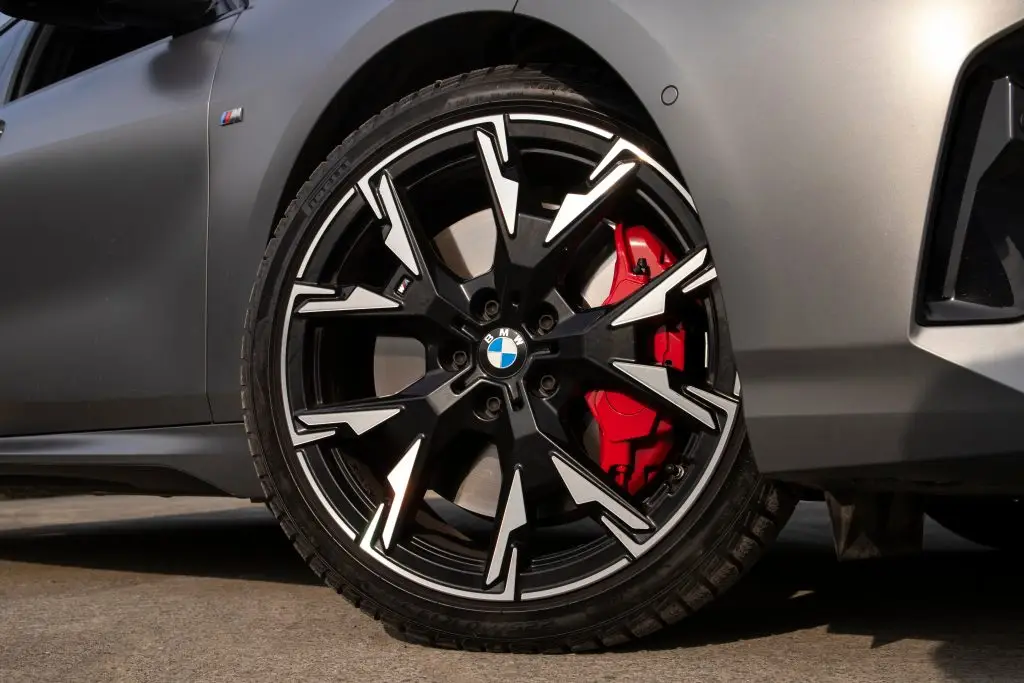
Driving across Calgary roads can become challenging when weather conditions change quickly. Snow, rain, gravel, potholes, and uneven pavement all place extra stress on steering and tire systems. Therefore, drivers who ignore early handling problems often experience poor vehicle control, uneven tire wear, and higher repair costs later. Regular inspections help drivers maintain stability while improving overall safety during daily driving.
German Automotive Repair works with many drivers who notice pulling, shaking, or steering stiffness during regular commutes. In many cases, these problems begin slowly and become more noticeable over time. In addition, tire performance directly affects braking distance, steering response, and road traction. Proper maintenance helps vehicles remain predictable in changing Calgary road conditions.
Many drivers schedule routine inspections through European auto repair services to monitor steering components, wheel alignment, and tire condition before larger problems appear. Small adjustments often improve handling immediately while protecting suspension and steering systems from additional wear.
Why Steering Performance Changes Over Time
Steering systems experience constant movement during every drive. Rough roads, curb impacts, deep potholes, and winter conditions gradually wear out important components. Consequently, steering wheels may feel loose, tight, or unstable depending on the condition of the suspension and steering assembly.
Drivers sometimes ignore small warning signs because the vehicle still feels drivable. However, delayed response while turning can quickly become dangerous during emergency situations or sudden lane changes. Worn tie rods, damaged ball joints, and poor alignment commonly reduce steering accuracy over time.
Temperature changes across Calgary also affect tire pressure and steering performance. Cold weather lowers tire pressure, which may create sluggish handling and reduced road grip. Meanwhile, excessive tire wear creates vibration and instability at highway speeds. Drivers who regularly inspect tire condition often avoid expensive suspension damage later.
German Automotive Repair frequently recommends seasonal steering and suspension inspections because early detection prevents more serious mechanical failures. Simple corrections often improve steering feel, vehicle balance, and tire life at the same time.
Tire Condition Directly Affects Vehicle Control
Tires remain the only part of the vehicle touching the road surface. Therefore, tire condition plays a major role in handling, braking, and steering response. Even high quality steering systems cannot perform properly with damaged or worn tires.
Uneven tread wear usually signals another underlying issue. For example, alignment problems often cause one side of the tire to wear faster than the other. In other situations, suspension wear creates bouncing or instability that damages tires prematurely. Drivers who replace tires without correcting the actual cause often experience the same issue again.
Rotating tires regularly helps maintain balanced wear patterns. In addition, proper inflation improves fuel efficiency while increasing traction during wet or snowy conditions. Overinflated tires reduce road contact, while underinflated tires create excessive heat and faster wear.
Many Calgary drivers also underestimate the effect of seasonal tire changes. Winter tires improve traction significantly during icy conditions because the rubber remains flexible in cold temperatures. Summer and all season tires react differently once temperatures drop below freezing.
Professional steering and tire service Calgary inspections help identify tire wear patterns before they affect handling or create unsafe driving conditions. Early tire maintenance protects both safety and long term vehicle performance.
Wheel Alignment Helps Improve Stability
Wheel alignment affects how tires contact the road while driving straight or turning corners. Misaligned wheels create pulling, uneven steering feel, and unstable handling at higher speeds. Consequently, even a small alignment issue may reduce control during difficult weather conditions.
Many alignment problems begin after hitting potholes or curbs. Calgary roads experience significant freeze and thaw cycles, which increase pavement damage throughout the year. Therefore, suspension geometry slowly shifts over time even without major accidents.
Drivers often notice steering wheels sitting off center while driving straight. In other situations, vehicles drift slightly left or right without steering input. These symptoms commonly indicate alignment issues that require correction before tire wear becomes severe.
Proper alignment improves handling consistency and steering precision. In addition, balanced wheel angles help tires wear evenly while reducing stress on steering and suspension components. Vehicles that receive routine alignment checks usually maintain better road control during winter driving.
German Automotive Repair regularly checks alignment settings during steering and tire inspections because small corrections often create major improvements in driving comfort and handling stability.
Suspension Components Support Steering Accuracy
Steering systems rely heavily on suspension components working together properly. Worn shocks, struts, bushings, and control arms all affect steering precision and road stability. As a result, suspension wear often causes drivers to feel loose handling or excessive bouncing.
Vehicles that bounce repeatedly after hitting bumps may have worn shocks or struts. Likewise, clunking sounds while turning often indicate worn suspension joints or mounting components. Ignoring these symptoms increases stress on tires and steering assemblies over time.
Road salt and moisture also accelerate corrosion underneath vehicles during Calgary winters. Corroded suspension parts gradually weaken and lose effectiveness. Therefore, regular undercarriage inspections help identify worn components before handling becomes unsafe.
Drivers sometimes focus only on tire replacement while overlooking suspension wear. However, damaged suspension parts continue affecting handling regardless of tire quality. Balanced steering performance requires every component to function correctly together.
Routine inspections allow technicians to identify small steering and suspension problems before they create expensive repairs or safety concerns. Preventive maintenance often extends tire life while improving vehicle stability in difficult road conditions.
Seasonal Maintenance Improves Driving Confidence
Calgary weather changes quickly throughout the year, which places extra stress on steering and tire systems. Seasonal inspections help drivers prepare for changing temperatures, road conditions, and driving demands before problems become serious.
Spring inspections commonly reveal pothole damage caused during winter driving. Meanwhile, fall inspections help drivers prepare tires and steering systems for snow and icy roads. Regular seasonal service reduces unexpected repairs while improving overall driving confidence.
Drivers who maintain proper tire pressure, alignment, suspension condition, and steering response usually experience smoother handling during difficult weather. In addition, regular inspections often lower long term repair costs by preventing secondary damage from developing.
German Automotive Repair helps drivers maintain stable handling and reliable steering performance throughout every season. Consistent maintenance improves road control while helping vehicles respond more safely during daily driving across Calgary roads.
FAQs
How often should steering and tire systems be inspected?
Most vehicles benefit from inspections every six months or during seasonal tire changes. However, drivers should schedule inspections sooner if they notice pulling, vibration, uneven tire wear, or steering stiffness.
What causes a steering wheel to shake while driving?
Steering wheel vibration commonly results from wheel imbalance, uneven tire wear, alignment issues, or worn suspension components. In some cases, damaged brake components may also contribute to shaking during braking.
Why does my vehicle pull to one side?
Vehicles often pull because of alignment problems, uneven tire pressure, suspension wear, or tire damage. A professional inspection helps identify the exact cause before additional tire wear develops.
Can worn tires affect braking performance?
Yes. Worn tires reduce traction and increase stopping distance, especially during wet or icy conditions. Proper tread depth helps maintain safe braking and stable steering response.
When should winter tires be installed in Calgary?
Winter tires should generally be installed when temperatures consistently drop below 7 degrees Celsius. Cold temperatures reduce the effectiveness of all season and summer tire compounds.
