
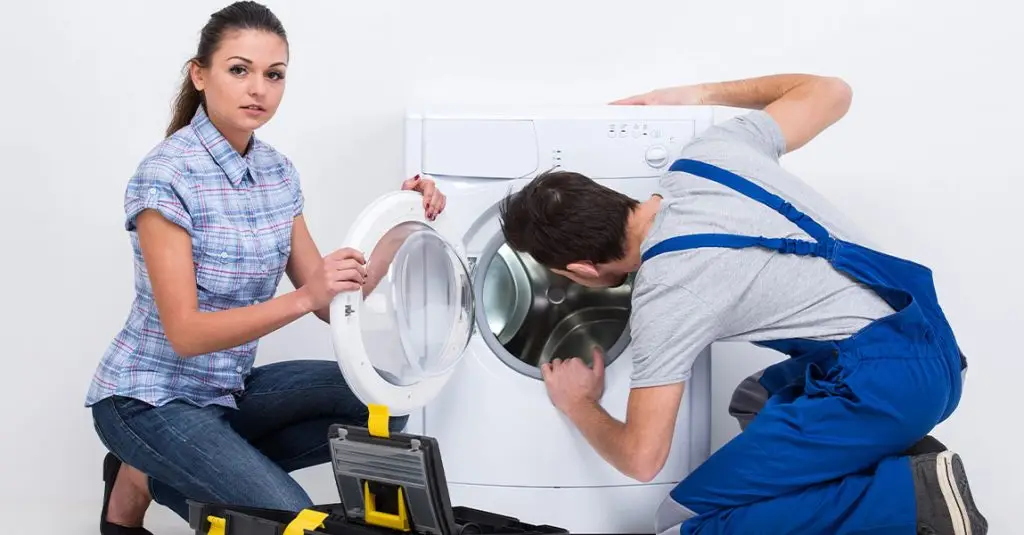
Modern families depend on their appliances to keep life running smoothly. From early morning breakfasts to late-night laundry, every machine plays a role in keeping the household on track. When one appliance breaks, even for a day, the entire routine can fall apart. That is why regular checkups are not just about preventing breakdowns but about saving time, energy, and money in the long run.
Why Preventive Maintenance Matters
Most people only think about their appliances when something stops working. But waiting for a breakdown often means paying more for parts, emergency service, or even a full replacement. Regular checkups allow small issues to be found before they become major problems. A clogged dryer vent, for example, can easily go unnoticed until the dryer overheats or stops working. A technician inspecting it once or twice a year can clean it, check the airflow, and make sure it operates safely.
Routine maintenance also helps keep appliances efficient. A refrigerator with a dirty condenser coil uses more electricity to stay cold. An oven with a faulty temperature sensor wastes energy and time when food doesn’t cook evenly. By keeping everything tuned, we reduce energy bills and extend the lifespan of our machines.
How Appliance Checkups Fit Busy Family Life
For families juggling work, school, and after-school activities, finding time to deal with appliance issues can be difficult. The advantage of scheduling regular checkups is predictability. Instead of dealing with a surprise failure when you need the machine most, you can plan short visits during quieter times.
Regular maintenance visits usually take less than an hour per appliance. They can often be combined, so multiple machines are checked during the same appointment. This saves time and minimizes disruptions at home. Many families schedule these checkups twice a year—once before winter when heating and laundry use increase, and again before summer when refrigerators and freezers work harder.
If you want a professional to assess your appliances efficiently and identify potential issues before they escalate, you can explore appliance repair services in Leduc.
Common Appliances That Benefit Most
Some appliances need regular care more than others. Refrigerators, dishwashers, ovens, dryers, and washing machines are high-use machines that show early signs of wear when neglected.
A refrigerator’s gasket can loosen over time, causing cool air to escape and forcing the compressor to work harder. A quick adjustment or seal replacement can prevent this. The dishwasher’s filter often traps food particles that block water flow and affect cleaning performance. Cleaning and checking it regularly helps maintain efficiency.
Washing machines benefit from hose inspections. Cracked or bulging hoses can cause serious leaks and water damage. The same goes for dryers. A lint trap is easy to clean, but the vent line can accumulate buildup that restricts airflow and poses a fire risk if left unchecked.
The Cost of Ignoring Maintenance
Neglecting maintenance might not cause immediate problems, but it usually costs more in the long term. A fridge running with a clogged coil will consume more power each month. A washing machine that vibrates heavily because of worn shock absorbers will shorten its own life.
Repairs for these issues can easily cost hundreds of dollars more than preventive service. Replacing an entire unit can reach into the thousands. Beyond cost, there is also the inconvenience of time spent without the appliance while waiting for parts or delivery of a replacement.
Regular checkups reduce those risks. Families often discover that after a few years of consistent maintenance, their appliances not only last longer but also perform as if they were newer.
Time-Saving Benefits for Working Parents
When both parents work, household downtime can quickly create stress. The morning rush becomes chaotic when the washing machine fails or the fridge stops cooling. Maintenance is a way of protecting that time.
By keeping appliances reliable, parents avoid the chain reaction of delays, rescheduling, and added stress that usually follows a breakdown. Knowing the appliances are in good condition also helps reduce mental load. There’s one less thing to worry about when managing the demands of work, school, and home life.
It is also worth mentioning that many repair companies offer reminder systems. Once you are on their maintenance list, they can automatically schedule your next checkup. That way, you never have to remember dates or make last-minute calls when something breaks.
Environmental Benefits of Regular Checkups
Appliances that work efficiently use less power and water. A dishwasher with clean filters and a well-functioning spray arm completes its cycle using less energy. A tuned-up refrigerator cycles less frequently, reducing the strain on the power grid.
This efficiency reduces the household’s carbon footprint. For many families, this matters as much as the cost savings. Instead of replacing machines every few years, they can keep using the same reliable units for much longer. Reducing waste also means fewer old appliances ending up in landfills.
Small steps, such as maintaining machines regularly, make a big difference when practiced across many households.
How to Know When a Checkup Is Due
There is no strict rule for how often you should inspect appliances, but general guidelines help. For example, refrigerators and dryers benefit from at least one inspection a year. Washing machines, dishwashers, and ovens can be checked once every 12 to 18 months.
If you notice strange noises, longer cycle times, or higher energy bills, that’s a good sign that maintenance is overdue. Unusual smells or leaks also mean it’s time to schedule a visit. Even if everything seems fine, setting a fixed reminder each year ensures nothing is forgotten.
Families that live in areas with hard water, like parts of Alberta, should consider more frequent checkups for dishwashers and washing machines. Mineral buildup from hard water can shorten the life of heating elements and affect cleaning quality. Regular descaling can prevent these issues entirely.
What to Expect During an Appliance Checkup
A standard maintenance visit focuses on cleaning, inspecting, and testing. The technician will look for worn parts, buildup, loose connections, or safety risks. They will clean vents, filters, and coils and verify that all sensors and thermostats work correctly.
You’ll also receive advice on proper usage and care, such as how to avoid overloading a washing machine or the right temperature range for efficient refrigeration. Many small habits, once adjusted, prevent future issues without costing anything.
For busy families, this professional insight is valuable. It’s not only about fixing problems but about learning how to prevent them through simple routines.
Practical Tips You Can Do Between Checkups
While professional service is essential, there are a few small tasks families can do to keep appliances healthy between visits.
Clean refrigerator coils every six months using a soft brush or vacuum. Empty the lint trap after every dryer cycle and inspect the vent for lint buildup monthly. Run a cleaning cycle with vinegar in your dishwasher to remove grease and mineral deposits.
For washing machines, leave the door open after each cycle to prevent mold and odor. Avoid overloading; it strains the motor and bearings. Make sure ovens are cleaned before residue hardens, as built-up grime can affect temperature accuracy.
These small actions, combined with regular professional care, keep everything running smoothly.
Safety Advantages for Families with Children
Families with young children benefit even more from regular maintenance. Faulty wiring, blocked vents, and overheating parts can pose real hazards. Regular inspections ensure safety mechanisms work correctly and reduce fire risks.
For example, a dryer with restricted airflow can overheat enough to ignite lint. A stove with a loose connection might cause sparks. Early detection of such issues prevents accidents and gives parents peace of mind knowing their home environment is safe.
How Regular Service Builds Appliance Longevity
Most appliances are designed to last a decade or more, but they often fail earlier because they are pushed beyond normal limits. Regular checkups help restore balance. They keep mechanical parts lubricated, sensors calibrated, and components aligned.
This level of care allows the machines to operate closer to factory standards even after years of use. The difference between an appliance that lasts eight years and one that lasts twelve might come down to consistent maintenance.
That extra time not only saves money but also delays the need to research, purchase, and install replacements—a process that usually disrupts household routines.
Getting Started with Regular Checkups
The first step is to find a reliable local technician. Ideally, look for someone familiar with the most common household brands and experienced in both kitchen and laundry appliances. Once you establish a routine schedule, the process becomes almost automatic.
If you are ready to take better care of your household machines and prevent future problems, you can contact us to schedule a checkup. Regular service ensures your appliances remain efficient, safe, and ready for everyday family life.
Frequently Asked Questions
1. How often should I schedule appliance maintenance?
Most households benefit from annual checkups. For high-use appliances like refrigerators or dryers, twice a year is ideal.
2. Can I perform maintenance myself instead of hiring a technician?
You can handle small tasks such as cleaning filters and coils. However, professional technicians can spot deeper mechanical or electrical issues that homeowners might miss.
3. Do regular checkups really save money?
Yes. Preventive maintenance reduces energy waste, prevents costly repairs, and extends the lifespan of appliances, all of which save money over time.
4. What are signs that my appliance needs immediate attention?
Unusual noises, leaks, slow performance, or burning smells are all warning signs. Sudden increases in your utility bills can also indicate a problem.
5. Is it worth maintaining older appliances?
If an appliance is in generally good condition and the cost of repair is less than half the price of a new one, maintenance is usually worthwhile. Proper care can easily add several years to its service life.
