
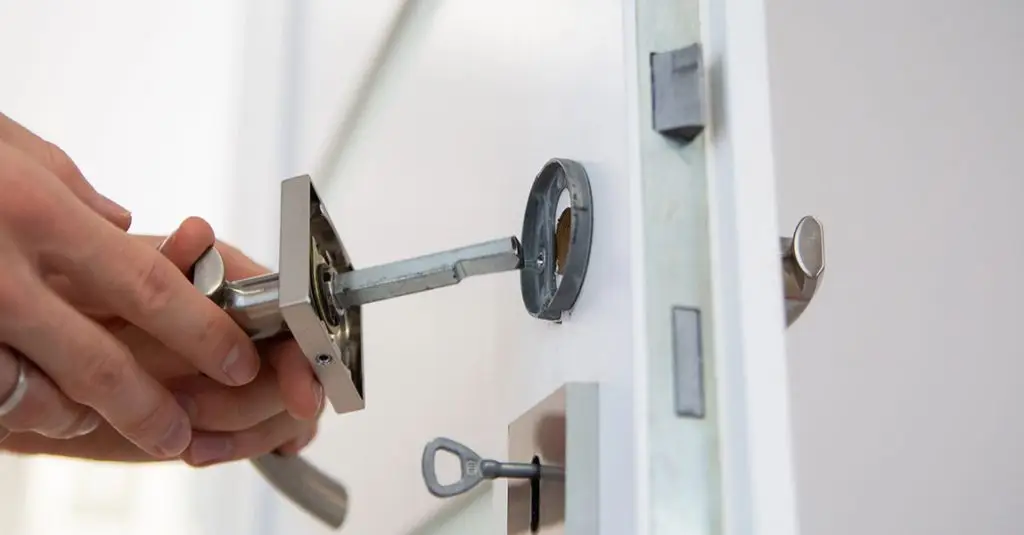
When most people hear the word locksmith, they imagine someone who helps open a locked door or replace a lost key. While that’s true, locksmithing is a much broader trade than many realize. In Calgary, locksmiths handle everything from simple home lock repairs to complex commercial security systems. Understanding the difference between residential and commercial locksmiths helps you know who to call for your specific needs and why professional specialization matters.
Understanding Locksmith Specialization
Every property has unique security requirements. A home relies on locks that protect families and personal belongings, while a business depends on access control, compliance, and asset protection. Both settings need security, but the risks and priorities differ. Residential locksmiths focus on comfort, convenience, and household safety. Commercial locksmiths, on the other hand, manage high-volume access, multiple users, and advanced security systems that often include key cards, restricted keys, and master access networks.
The tools and training required for each role vary as well. While both locksmiths know the fundamentals of lock installation and repair, commercial work involves understanding building codes, fire regulations, and high-security systems used in offices, schools, and warehouses.
For those looking for a reliable locksmith in Calgary, it’s essential to know which type of service you need before calling.
Residential Locksmiths and Their Main Role
Residential locksmiths work primarily with homeowners, renters, and property managers. Their goal is to keep homes safe, accessible, and secure without overcomplicating the system. They handle a wide range of services, from lock installation to emergency lockouts.
A typical residential locksmith call might involve rekeying locks after moving into a new home, replacing a worn-out deadbolt, or upgrading to a smart lock. They often assist with key duplication, window lock installation, and garage door security. The focus is simplicity and dependability—keeping families protected in a way that feels natural and user-friendly.
Residential locksmiths also understand the emotional side of their work. Being locked out of your home or losing your keys can cause panic or frustration. A good locksmith helps solve the immediate issue while offering advice on preventing future lockouts, like keeping a spare key in a secure location or installing a keypad entry.
Commercial Locksmiths and Their Expanded Scope
Commercial locksmithing is a different world. Businesses rely on layered security systems that protect employees, customers, and sensitive data. The scale of work is larger and often more technical. Commercial locksmiths install and maintain high-security locks, master key systems, access control panels, and electronic locks integrated with alarm or camera systems.
They also work with property managers and business owners to ensure compliance with insurance and safety regulations. For example, fire exits and emergency doors must meet specific locking requirements that a residential locksmith may not handle.
In Calgary’s growing business districts, commercial locksmiths are often called to secure retail stores, medical offices, and industrial facilities. They design key systems that balance security with accessibility—allowing certain employees access to specific areas while restricting others. This requires not only precision but also an understanding of business operations.
The Difference in Tools and Techniques
Residential locksmiths often work with mechanical locks and keys. Their toolkit includes lock picks, key-cutting machines, and simple rekeying tools. Commercial locksmiths, however, use more advanced equipment. They work with electronic diagnostic tools, access control software, and specialized hardware for restricted key systems.
For example, a commercial locksmith might program a digital lock that tracks entry logs or reset a security system remotely. A residential locksmith, by contrast, might rekey the locks on a home after a tenant moves out. Both require technical skill, but commercial work demands deeper familiarity with advanced technology.
Understanding these distinctions ensures you hire the right professional for the job. Hiring a residential locksmith for an office building might result in incomplete security, while bringing in a commercial specialist for a simple home lockout could mean paying more than necessary.
Training and Certification Differences
Locksmiths in Calgary often undergo similar foundational training before specializing. However, commercial locksmiths typically receive additional instruction in high-security systems, key management protocols, and access control integration. They also stay updated on industry standards like ANSI and UL certifications, which define lock quality and compliance requirements for commercial buildings.
Residential locksmiths, while equally skilled, tend to focus on brands and systems commonly used in homes, such as deadbolts, knob locks, and smart home devices. Their expertise lies in making a home safe without turning it into a fortress.
This division of specialization benefits clients. It means each locksmith invests their time and training into the type of security most relevant to you.
Security Priorities: Home vs. Business
The main difference between residential and commercial locksmiths lies in the level of risk each type of client faces. Homeowners prioritize personal safety and privacy. They want locks that are sturdy, reliable, and easy to use. Businesses, however, manage larger-scale security needs—employee access, data protection, and liability concerns.
Residential security focuses on deterrence and convenience. A solid deadbolt and visible lock are often enough to discourage intruders. Commercial security, by contrast, aims to control and monitor access. A business may require keycard entries, restricted keys, or biometric systems to track who enters specific areas.
This contrast influences not only the types of locks installed but also how locksmiths plan and execute their work.
The Cost Factor
Cost varies between residential and commercial locksmith services because of the complexity involved. Residential work often charges per lock or per visit, while commercial services may require site assessments and system-wide installations.
Commercial locksmiths might also work under service contracts for regular maintenance, rekeying, and system upgrades. Residential locksmiths, meanwhile, typically handle one-time jobs. However, homeowners can still benefit from scheduled maintenance to prevent lock wear and ensure security features remain functional.
Emergency Services and Response Times
Both residential and commercial locksmiths provide emergency assistance, but the nature of those calls differs. Home lockouts are the most common residential emergencies. A locksmith can typically arrive quickly, unlock the door, and ensure no damage occurs.
Commercial emergencies, on the other hand, can involve security breaches, malfunctioning electronic locks, or employee access issues after hours. The urgency may involve protecting inventory or restoring system functionality rather than gaining physical access. Because of this, commercial locksmiths often maintain specialized 24-hour teams for businesses.
Choosing the Right Locksmith for Your Property
When deciding between a residential or commercial locksmith, consider the property type, level of security needed, and the number of users who require access. A home with one or two doors may need a straightforward solution. A commercial building with multiple offices or staff members requires a planned security system.
For example, a restaurant might need different lock systems for its front entrance, stockroom, and office. In that case, a commercial locksmith can design a master key system where one key opens everything while others open only specific doors.
Meanwhile, a homeowner may benefit from rekeying services after moving into a new house or upgrading old locks to modern smart versions for convenience. Both require professional attention, but the locksmith’s focus and expertise differ based on the situation.
If you are unsure which type of locksmith you need, the best step is to reach out to professionals who can assess your situation. You can always contact us to discuss your options and receive guidance on the right security solution for your property.
Technology and Future Trends
Locksmithing continues to evolve with advances in digital technology. Smart locks, biometric systems, and remote access solutions are becoming standard in both homes and businesses. However, the way they are implemented differs.
Residential locksmiths install smart locks that integrate with phones or smart home assistants, offering convenience for families. Commercial locksmiths use networked systems that allow centralized management and control across multiple locations.
Both fields are moving toward keyless entry and data-driven monitoring, but with different priorities. Homeowners value simplicity and ease of use, while businesses focus on control and reporting capabilities.
Understanding these technological directions helps you plan for future upgrades. It also highlights the value of hiring locksmiths who keep up with modern security developments.
Long-Term Maintenance Considerations
Lock systems, whether residential or commercial, require ongoing care. Dirt, moisture, and daily use wear out mechanical parts. Digital systems need software updates and battery replacements.
Residential locksmiths recommend lubricating locks yearly and checking door alignment to prevent sticking or jamming. Commercial locksmiths emphasize routine inspections to ensure large-scale systems operate consistently and comply with safety standards.
In both cases, proactive maintenance prevents emergencies and costly replacements later. Choosing a locksmith who offers follow-up care or maintenance contracts ensures lasting performance.
Practical Tips Before Hiring a Locksmith
Before calling a locksmith, identify your needs clearly. Make note of how many locks you have, whether they are mechanical or electronic, and if there are any access restrictions. Knowing these details helps professionals prepare the right tools and estimate costs accurately.
Always verify the locksmith’s credentials and ask about their experience with your specific lock type. In Calgary, reputable locksmiths are licensed and trained to handle both residential and commercial systems safely.
Finally, consider long-term value. Installing the right locks from the start reduces maintenance costs and improves security over time.
FAQ
What is the main difference between residential and commercial locksmiths?
Residential locksmiths focus on home security and personal access. Commercial locksmiths handle larger-scale systems that manage employee access, security compliance, and high-value assets.
Can one locksmith handle both residential and commercial jobs?
Some locksmiths are trained for both, but most specialize in one area to provide expert-level service. It’s best to hire based on your property type.
Are commercial locks more expensive than residential ones?
Generally yes, because they include advanced technology and higher security standards. The added cost reflects durability and compliance requirements.
How often should locks be replaced or rekeyed?
Home locks should be rekeyed when moving into a new house or after losing a key. Businesses often rekey regularly due to staff turnover or security upgrades.
What should I do if I’m unsure which locksmith I need?
Contact a professional who can evaluate your property and recommend the right service. A qualified locksmith will explain the differences and help you make an informed decision.
