
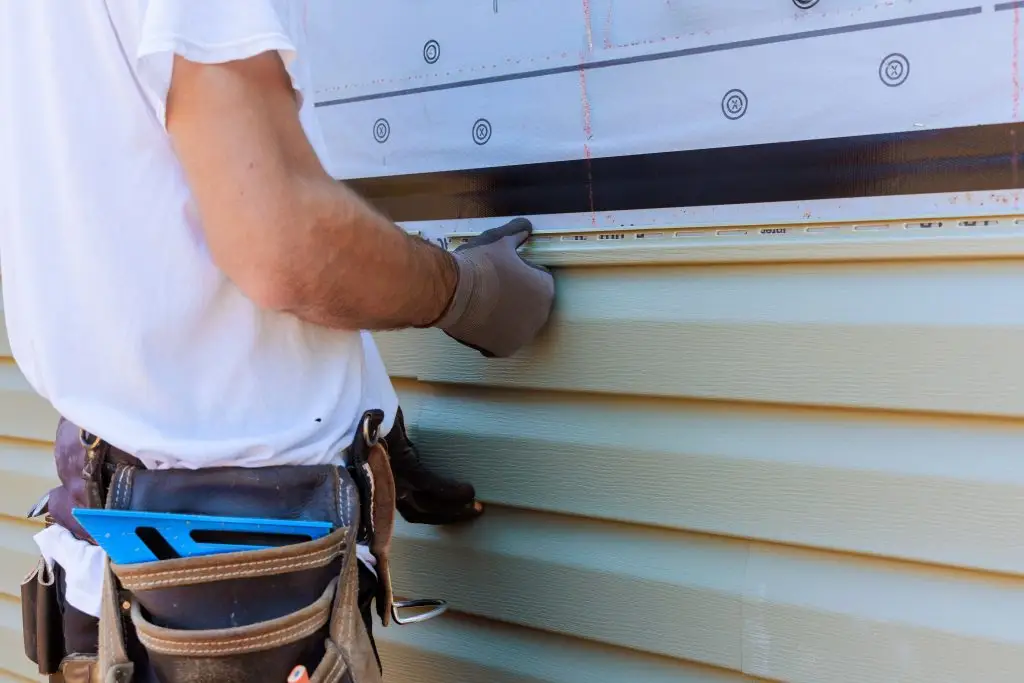
Every homeowner eventually experiences a moment when the outside of the house suddenly looks different. It may happen after a storm, during seasonal cleaning, or while walking around the property. At first the changes appear small, however they slowly become impossible to ignore. Cracks, fading panels, or loose boards can signal that the exterior is reaching the end of its lifespan.
Envirotech Subdivision often meets homeowners exactly at that moment of realization. Therefore many property owners start researching solutions and exploring exterior renovation services to restore protection and appearance. A house exterior plays an important role in protecting the structure from moisture, wind, and temperature changes. When siding begins to fail, the home gradually loses that protection.
Small Signs That Slowly Become Big Problems
In the beginning, siding problems rarely appear dramatic. Homeowners may notice minor discoloration or a few panels shifting slightly out of place. However these small issues often indicate deeper wear beneath the surface. Materials exposed to years of sun, rain, and wind eventually weaken.
For example, vinyl siding may begin to warp, while wood siding might develop cracks or soft areas. Consequently moisture can start entering behind the panels, leading to hidden structural damage. What looks like a cosmetic issue outside may slowly affect insulation and framing inside the walls.
Envirotech Subdivision frequently explains that siding deterioration rarely happens overnight. Instead it develops gradually until homeowners recognize that repairs are no longer enough. At that point many people begin researching professional solutions through trusted renovation specialists such as home renovation experts. Understanding the early signs helps homeowners take action before the damage spreads further.
Weather Exposure That Changes Everything
Weather plays one of the biggest roles in siding deterioration. Calgary’s changing seasons create constant stress on exterior materials. During winter, freezing temperatures and ice can expand inside small cracks. Meanwhile summer heat can cause panels to expand and shift.
Over time this repeated expansion and contraction weakens the siding structure. As a result small gaps appear around seams and edges. These openings may allow water to enter the wall system during rainstorms or melting snow.
Envirotech Subdivision regularly sees homes where siding problems become obvious after a severe weather season. For instance strong winds can loosen panels or even tear sections away from the wall. When homeowners notice pieces rattling, bending, or separating from the house, it often becomes clear that replacement is the safest solution.
When Repairs Stop Being Enough
Many homeowners initially try simple repairs when siding begins showing wear. Replacing a few panels or sealing small gaps can temporarily improve the exterior. However these repairs only work when the overall siding structure is still strong.
Eventually homeowners reach a point where patching problems no longer solves the issue. Repairs may become frequent, costly, and ineffective. Consequently the exterior begins to look uneven as different panels age differently.
Envirotech Subdivision helps property owners understand when siding replacement becomes more practical than ongoing repairs. New siding systems provide stronger protection and improve insulation performance. In addition they restore the appearance of the home and increase long term durability.
At that stage homeowners often explore exterior renovation solutions to upgrade their property and prevent further structural damage. A full replacement addresses underlying issues that surface repairs cannot fix.
The Visual Moment Homeowners Notice
Sometimes the moment of realization happens suddenly. A homeowner may step back and notice the house no longer looks as solid or clean as it once did. Fading colors, uneven lines, or visible damage can change the entire appearance of the property.
Curb appeal plays an important role in how homeowners feel about their space. Therefore deteriorating siding often affects both protection and visual confidence. When the exterior starts looking aged or worn, many people begin planning improvements.
Envirotech Subdivision works with homeowners who want their houses to look strong, modern, and well maintained again. Replacing outdated siding can completely transform the exterior while also improving energy efficiency. New materials are designed to withstand weather conditions and maintain their appearance for many years.
Why Replacement Improves Long Term Protection
Replacing siding is not only about improving appearance. The exterior system protects structural framing, insulation, and interior spaces from environmental damage. When siding becomes compromised, the entire building envelope becomes vulnerable.
New siding installations restore that protective barrier. Modern materials are engineered to resist moisture penetration, wind pressure, and temperature changes. As a result the home stays more comfortable and structurally secure.
Envirotech Subdivision approaches siding replacement as part of a larger renovation strategy. A properly installed exterior system improves durability and reduces maintenance concerns for years ahead. Homeowners who recognize the signs early can prevent costly interior repairs later.
The moment homeowners realize their siding needs replacement often becomes the beginning of a larger improvement project. Instead of constantly repairing aging materials, a full renovation allows the home to regain strength, efficiency, and visual appeal.
FAQs
What are the first signs siding needs replacement
Common early signs include fading color, cracked panels, loose boards, and visible gaps. These issues may appear small at first, however they often indicate deeper deterioration beneath the siding surface.
Can damaged siding cause structural problems
Yes. When siding fails, moisture can enter the wall structure. Over time this may damage insulation, wood framing, and interior drywall if the problem is not addressed.
How long does siding usually last
The lifespan depends on the material. Vinyl siding often lasts 20 to 40 years, while wood siding may require replacement sooner depending on weather exposure and maintenance.
Is siding replacement better than constant repairs
When damage becomes widespread, replacement is usually more cost effective. Repairs may temporarily fix individual panels, however they cannot restore the overall strength of aging siding.
Does new siding improve energy efficiency
Yes. Modern siding systems often include improved insulation and weather protection. As a result homes may maintain more stable indoor temperatures and reduce heating or cooling loss.
You can read more about our services here: Alberta Business Beat, Your Local Biz, Post Of The Day, Canada Biz Portal, The Canada Best, Calgary Best, The Daily Local.
