
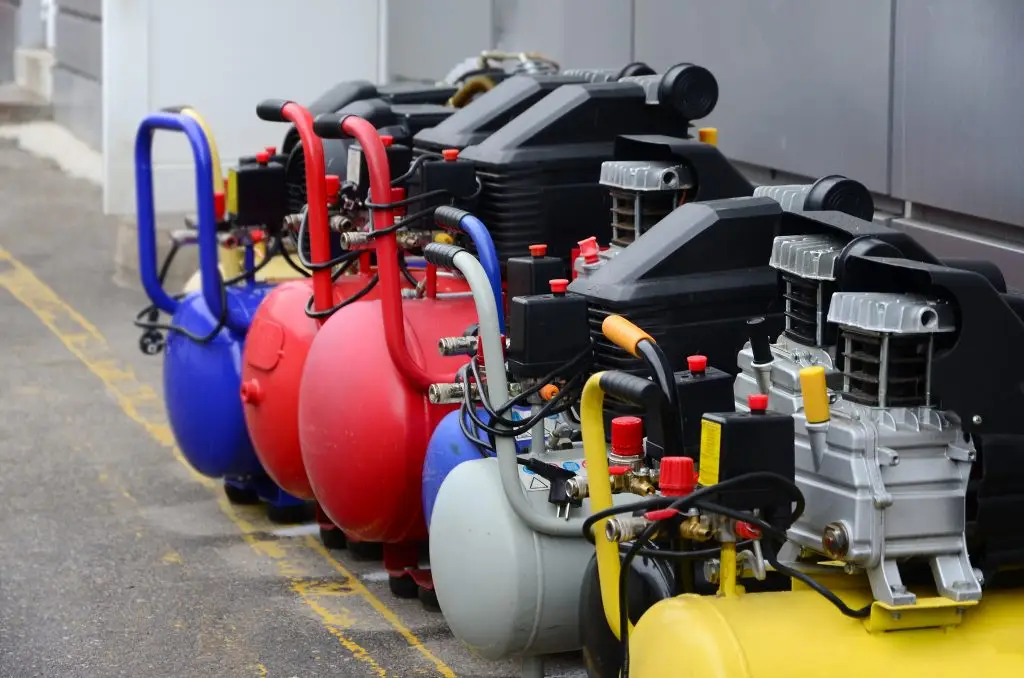
Compressed air systems often look simple on the surface. Machines run, tools operate, and production continues without obvious trouble. However, moisture inside compressed air lines can quietly cause serious issues over time. Many facilities only notice the damage after equipment begins to fail.
Air Compressors Canada regularly sees systems where hidden moisture slowly affects tools, piping, and sensitive machines. Therefore, understanding how wet compressed air behaves inside a system can help prevent expensive repairs and unexpected downtime.
Why Moisture Appears Inside Compressed Air Systems
Air always contains some amount of humidity. When air is compressed, the temperature and pressure changes force that moisture to condense into water. As a result, compressed air systems naturally create liquid water during operation.
This moisture travels through air lines unless it is properly removed. In other words, every compressor produces water, but only well designed systems prevent it from reaching tools and equipment.
Facilities often depend on proper air treatment to remove moisture before it spreads through the system. For example, filtration and drying equipment described on the compressed air systems resource page explains how moisture control protects industrial equipment.
Without proper separation, water droplets travel through piping, valves, and production tools. Consequently, even small amounts of moisture can slowly cause damage.
Rust And Corrosion Inside Air Lines
One of the first quiet problems caused by wet compressed air is internal corrosion. Moisture trapped in metal piping slowly reacts with the pipe walls. Therefore, rust begins to form inside the air distribution system.
Over time, rust particles break loose and move through the air lines. These particles can clog valves, block small passages, and contaminate sensitive tools. In addition, corrosion weakens piping connections and fittings.
Many facilities do not notice corrosion until pressure drops begin to appear in the system. Meanwhile, the damage has already been building for months or even years.
Moisture control and separation equipment play an important role in preventing corrosion. For instance, modern air separation systems remove water before it spreads through the air network. Consequently, the life of the entire compressed air system improves.
Tool Performance Slowly Declines
Wet compressed air also affects the performance of pneumatic tools. Water inside the air stream interferes with lubrication and internal movement. As a result, tools begin to operate less efficiently.
Operators may notice tools losing power or running inconsistently. However, the real cause may be moisture inside the air supply rather than mechanical failure.
This issue appears slowly, which is why it is often overlooked. Meanwhile, water continues entering the tool during every operation cycle.
Air Compressors Canada often finds that tool failures are not caused by worn components alone. Instead, moisture contamination frequently shortens tool lifespan and increases maintenance costs.
Proper drying and filtration protect these tools by ensuring that only clean, dry air reaches the equipment.
Moisture Damages Valves And Control Components
Industrial compressed air systems rely heavily on valves and automated control equipment. These components often contain very small passages and precise internal parts.
Water inside compressed air can cause these parts to stick, corrode, or malfunction. Consequently, machines may operate unpredictably or stop responding to control signals.
Control valves are especially sensitive because moisture can collect in small chambers inside the valve body. Therefore, repeated exposure to wet air leads to slow internal damage.
This type of problem can be difficult to diagnose. For example, machines may work correctly one day and fail the next. In many cases, hidden moisture inside the compressed air supply is the real cause.
Maintaining dry air quality helps prevent these unpredictable failures and keeps automated systems stable.
Product Quality Can Be Affected
In many industries, compressed air directly contacts products or production materials. Moisture contamination in these systems can affect the final product.
For instance, water droplets can cause paint defects, surface contamination, or uneven coatings. Similarly, packaging equipment and food production systems require clean, dry air to maintain quality standards.
Wet compressed air introduces risks that may not be visible immediately. However, product defects often appear later in the manufacturing process.
Facilities that invest in proper air treatment systems protect both equipment and product quality. Consequently, consistent air quality becomes an important part of reliable production.
Air Compressors Canada often helps businesses evaluate the condition of their compressed air systems to ensure that moisture is properly controlled throughout the network.
Small Moisture Problems Grow Into Expensive Repairs
The most challenging aspect of wet compressed air is how quietly the problems develop. Moisture rarely causes immediate failure. Instead, the damage builds slowly inside piping, machines, and tools.
At first, the system appears to work normally. However, corrosion, contamination, and mechanical wear continue developing behind the scenes.
Eventually, equipment begins failing more frequently. Maintenance costs increase, production stops unexpectedly, and entire sections of the compressed air network may require replacement.
Therefore, preventing moisture problems early is far less expensive than repairing the damage later. Proper air drying, separation, and filtration systems protect equipment and extend the life of compressed air infrastructure.
Facilities that monitor air quality and remove moisture early avoid many of the hidden problems that wet compressed air can create.
FAQs
Why does compressed air contain water?
Compressed air contains water because atmospheric air always includes humidity. When the air is compressed and cooled, the moisture condenses into liquid water that must be removed from the system.
What damage can wet compressed air cause?
Wet compressed air can cause rust in pipes, reduced tool performance, valve failures, and contamination of production processes. These problems often develop slowly and may not be immediately visible.
How can moisture be removed from compressed air?
Moisture is removed using air dryers, filters, and separation systems designed to collect and remove water before it reaches equipment or tools.
Why do pneumatic tools fail when air is wet?
Water interferes with lubrication and internal movement inside pneumatic tools. As a result, tools lose efficiency, wear faster, and may fail earlier than expected.
How often should compressed air systems be checked for moisture?
Compressed air systems should be inspected regularly as part of routine maintenance. Monitoring moisture levels helps identify drying or filtration problems before they damage equipment.
You can read more about our services here: Alberta Business Beat, Your Local Biz, Post Of The Day, Canada Biz Portal, The Canada Best, Calgary Best, The Daily Local.
