
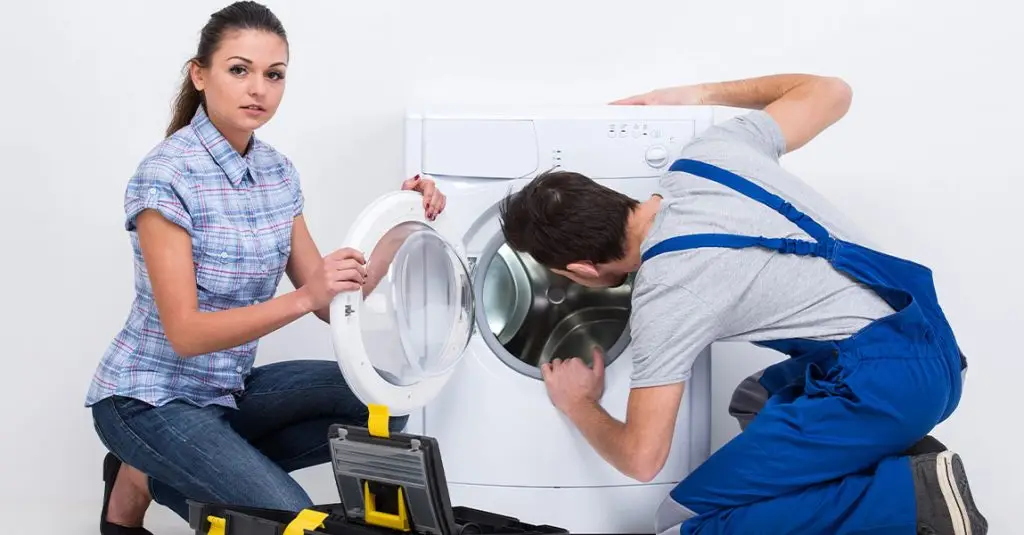
A washing machine should stay steady during every cycle, yet many homeowners notice it slowly moving or even shaking across the floor. This issue can feel alarming, especially when the machine becomes noisy or unstable. However, the cause is usually something practical that can be identified step by step. At Edmonton Repair Appliances, we often see this problem linked to setup, load balance, or internal wear.
Therefore, understanding why your washer moves helps you prevent damage and avoid more expensive repairs later. In other words, the movement is a warning sign that something needs attention rather than a random failure.
Why Your Washer Starts Moving During Cycles
The most common reason a washer walks is uneven balance during spinning. When clothes gather on one side of the drum, the machine begins to shake as it tries to spin at high speed. As a result, the vibration transfers to the floor, causing the appliance to shift slightly with each cycle.
However, load imbalance is not the only factor. A washer that is not level will naturally shift over time, even with a normal load. For example, if one leg is slightly higher than the others, the machine will lean and create uneven pressure during operation.
In addition, the flooring itself plays a role. Smooth surfaces like tile or laminate can make movement easier when vibration occurs. Consequently, even a small imbalance can turn into noticeable walking across the room.
The Role of Washer Leveling and Installation
Proper installation is one of the most overlooked reasons behind this issue. Firstly, washers must sit perfectly level on all four legs. Even a small tilt can cause constant movement during spin cycles. Secondly, loose or worn leveling legs can make the problem worse over time.
That is to say, a washer that was stable when first installed may begin shifting months later as components loosen. In the same vein, improper installation on uneven flooring creates long-term stress on the machine’s structure.
At Edmonton Repair Appliances, we often adjust leveling and check stability as part of routine service. Moreover, ensuring correct installation can prevent many future breakdowns. If you are unsure about the setup, you can explore appliance repair services in Edmonton to better understand how professional adjustments help.
Internal Components That Cause Movement
When the issue is not related to installation, internal parts are often responsible. Shock absorbers, suspension rods, and springs all help control movement inside the washer drum. Over time, these parts wear out and lose their ability to stabilize the machine.
As a result, the washer begins to shake more aggressively during spin cycles. Consequently, the increased vibration pushes the unit across the floor. This is especially common in older machines or those used frequently.
Another factor is the drum itself. If internal bearings wear down, the drum may spin unevenly. Therefore, even balanced loads can cause strong vibrations. In some cases, this leads to additional strain on other appliances nearby, which is why issues like vibration can affect systems similar to those discussed in dishwasher repair solutions.
How Load Size and Distribution Affect Stability
Load size plays a major role in washer movement. For instance, washing heavy items like blankets or towels can easily create imbalance if they clump together. Similarly, mixing small and large items without proper distribution increases the risk of shifting during spin cycles.
However, overloading the washer is just as problematic. When too many clothes are packed into the drum, the machine cannot distribute weight evenly. As a result, it struggles to spin properly and begins to shake.
On the other hand, underloading can also cause imbalance. A very small load may not provide enough counterweight, leading to uneven spinning. Therefore, maintaining a moderate and evenly distributed load is essential for stability.
Signs the Problem Is Getting Worse
A moving washer rarely stays the same. Instead, the issue usually becomes more noticeable over time. Firstly, you may hear louder banging or thumping sounds during cycles. Secondly, the machine may shift further than before, sometimes several inches per use.
In addition, vibration can spread to nearby surfaces such as walls or cabinets. Consequently, this may cause secondary issues in your laundry area. If ignored, the stress on internal parts increases, leading to more costly repairs.
That is why early action matters. Edmonton Repair Appliances recommends checking balance, leveling, and load habits before the problem escalates. In many cases, simple adjustments can prevent long-term damage.
Practical Ways to Stop Your Washer From Walking
There are several effective steps you can take to reduce or eliminate washer movement. Firstly, check that all four legs are firmly touching the ground and properly adjusted. Secondly, use a level tool to confirm the machine sits evenly.
In addition, consider using anti-vibration pads under the washer. These pads help absorb movement and reduce slipping on smooth floors. Likewise, always distribute clothes evenly inside the drum before starting a cycle.
Most importantly, pay attention to unusual sounds or excessive shaking. If the problem continues despite these steps, internal components may need inspection. Therefore, professional diagnosis becomes the safest option to prevent further damage.
FAQs
Why does my washer move only during the spin cycle?
The spin cycle creates the highest speed and force inside the drum. Therefore, any imbalance or worn part becomes more noticeable at that stage.
Can an uneven floor cause washer movement?
Yes, an uneven surface affects stability. As a result, even a properly working washer may start shifting during operation.
Are anti-vibration pads really effective?
They can reduce movement significantly. However, they work best when combined with proper leveling and balanced loads.
Is washer movement dangerous?
It can become risky over time. For example, repeated vibration may damage internal parts or nearby surfaces if ignored.
When should I call for professional repair?
If leveling and load adjustments do not solve the issue, internal components may be worn. In that case, professional inspection is the best next step.
You can read more about our services here: Alberta Business Beat, Your Local Biz, Post Of The Day, Canada Biz Portal, The Canada Best, Calgary Best, The Daily Local.
