
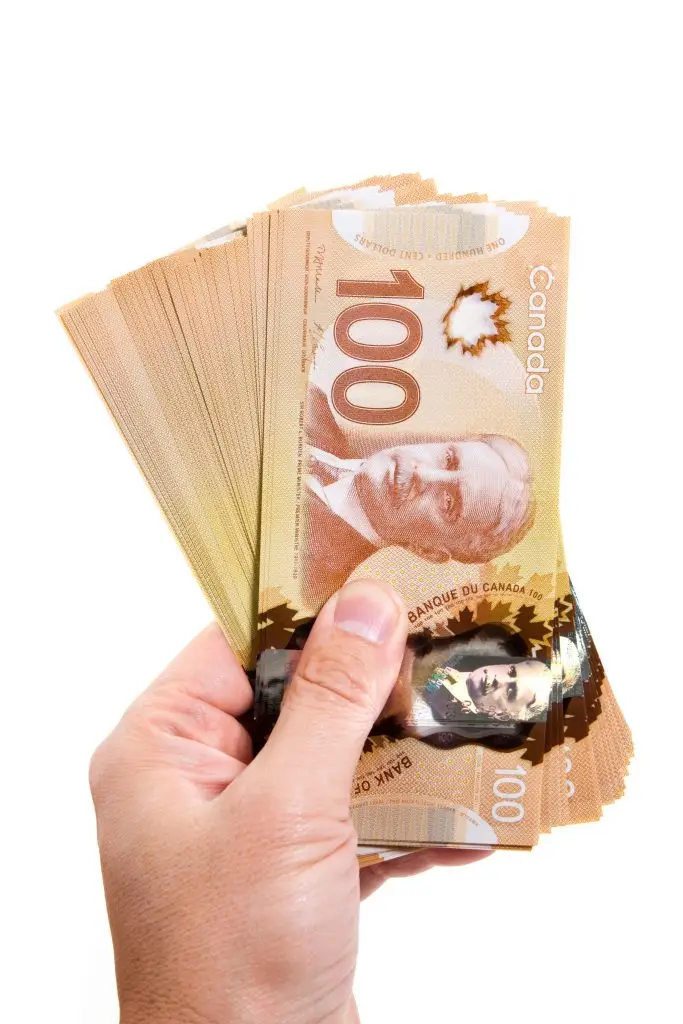
Traveling to another country is exciting, but handling money abroad requires careful planning. Many travelers focus on flights, hotels, and sightseeing. However, protecting foreign cash is equally important. A lost wallet or poorly planned exchange can quickly ruin a trip. Therefore, experienced travelers develop simple habits to keep their money safe.
Express Forex Services often meets travelers preparing for international trips who want reliable exchange options and practical advice. In other words, protecting foreign currency begins long before arriving at the airport. With the right preparation and a few smart habits, travelers can avoid common money problems and focus on enjoying their journey.
Why Protecting Foreign Cash Matters
When travelers carry foreign currency, they face risks that many people do not consider. Pickpocketing, misplaced wallets, and unexpected expenses can quickly reduce travel funds. Therefore, protecting cash is not only about security but also about maintaining financial flexibility during the trip.
For example, tourists visiting busy destinations often carry too much money in one place. If that wallet disappears, all travel funds may vanish with it. Consequently, experienced travelers separate their money into several locations such as bags, hotel safes, and travel wallets.
Before leaving home, many travelers also exchange part of their money in advance. Using trusted services like currency exchange services allows travelers to arrive with local cash already prepared. As a result, they avoid rushed exchanges at airports or hotels where rates may not be favorable.
Divide Your Cash Into Multiple Places
One of the simplest ways to protect travel money is dividing it between different locations. Many experienced travelers never carry all their currency in one wallet. Instead, they keep small amounts in several places.
For instance, some travelers place daily spending cash in a wallet while storing backup currency in a money belt or travel pouch. Meanwhile, additional funds remain secured in luggage or hotel safes. This system ensures that losing one item does not mean losing everything.
Similarly, travelers often keep a small emergency amount hidden in a separate pocket or bag. Therefore, if unexpected problems arise, they still have access to funds. This habit is simple but extremely effective when visiting crowded tourist areas.
Use Small Denominations for Daily Spending
Another helpful strategy is carrying smaller bills when exploring a new destination. Large bills may attract attention or make transactions difficult. Therefore, experienced travelers exchange money into practical denominations before leaving home.
Small bills allow travelers to pay for taxis, street food, and public transportation without displaying large amounts of money. Consequently, this reduces the risk of drawing attention in busy markets or transit stations.
Many travelers prepare their currency through trusted locations offering money exchange Calgary services before their trip. In addition, preparing denominations in advance avoids the challenge of breaking large bills in unfamiliar locations.
Small bills also make budgeting easier. Travelers can quickly see how much they are spending throughout the day.
Keep Cash Organized and Easy to Access
Disorganized money often leads to mistakes or accidental loss. Therefore, experienced travelers organize their foreign currency before arriving at their destination. A simple travel wallet with multiple sections can make a big difference.
For example, travelers may separate currency by type or purpose. One section may hold daily spending cash, while another keeps emergency funds. As a result, they avoid opening their entire wallet in public when paying for small purchases.
In addition, organized money helps travelers stay calm in busy environments such as train stations or markets. Instead of searching through loose bills, they can quickly find the correct amount. Consequently, they spend less time exposing their wallet in public areas.
Another useful habit is reviewing currency amounts at the end of each day. This allows travelers to track spending and ensure their funds remain secure.
Stay Aware of Surroundings When Using Cash
Even with good preparation, awareness is still important when handling foreign money. Crowded tourist locations often attract pickpockets who watch travelers closely. Therefore, simple habits can reduce risks significantly.
For instance, travelers should avoid counting large amounts of cash in public spaces. Instead, they prepare the payment before approaching a counter or taxi driver. This small step prevents others from seeing how much money they carry.
Similarly, experienced travelers keep wallets in front pockets or secure travel pouches. Bags with hidden compartments also provide extra protection. Meanwhile, backpacks with open pockets can make cash easier to access for thieves.
Most importantly, travelers stay alert when handling money in busy locations such as markets, public transportation, or festivals. Awareness and preparation together create the strongest protection.
Exchange Currency From Trusted Locations
Choosing where to exchange currency is another key step in protecting travel money. Unreliable exchange points may offer poor rates or confusing fee structures. Therefore, travelers often prepare their currency through trusted exchange services before departure.
Reliable providers help travelers obtain correct denominations and accurate rates. Consequently, travelers avoid unnecessary losses during exchanges. Planning ahead also ensures that travelers arrive with local currency ready for immediate use.
Express Forex Services helps many travelers prepare their funds before international trips. As a result, travelers can focus on their journey without worrying about finding reliable exchange locations at their destination.
Preparing currency in advance also allows travelers to compare rates and make informed decisions.
Simple Habits Make Travel Safer
Protecting foreign cash does not require complicated strategies. In fact, the most effective methods are simple habits practiced by experienced travelers. Dividing money, organizing currency, and staying aware can prevent many common travel problems.
Above all, preparation plays the biggest role in financial safety while traveling. Exchanging money before departure and planning how to carry it creates confidence throughout the trip. When travelers take these simple steps, they reduce risks and enjoy their travel experience with greater peace of mind.
Express Forex Services encourages travelers to plan their currency exchange early and handle their travel money wisely.
Frequently Asked Questions
How much foreign cash should travelers carry during a trip?
Travelers usually carry enough cash for small daily expenses such as transportation, meals, or tips. However, many travelers avoid carrying large amounts and instead divide their money into smaller portions.
Is it safer to exchange currency before traveling?
Yes, exchanging some currency before departure helps travelers arrive prepared. In addition, it reduces the need to search for exchange services immediately after arriving in a new country.
Where should travelers store backup travel cash?
Backup funds are often stored in hotel safes, hidden travel pouches, or separate bags. Therefore, losing one wallet does not mean losing all travel money.
Why are small currency denominations helpful when traveling?
Small bills make everyday transactions easier and reduce the need to display large amounts of cash. Consequently, travelers attract less attention in busy tourist areas.
What is the safest way to carry cash while exploring a city?
Many travelers use secure travel wallets, money belts, or front pockets. Meanwhile, keeping wallets close and staying aware of surroundings provides additional protection.
You can read more about our services here: Alberta Business Beat, Your Local Biz, Post Of The Day, Canada Biz Portal, The Canada Best, Calgary Best, The Daily Local.
