
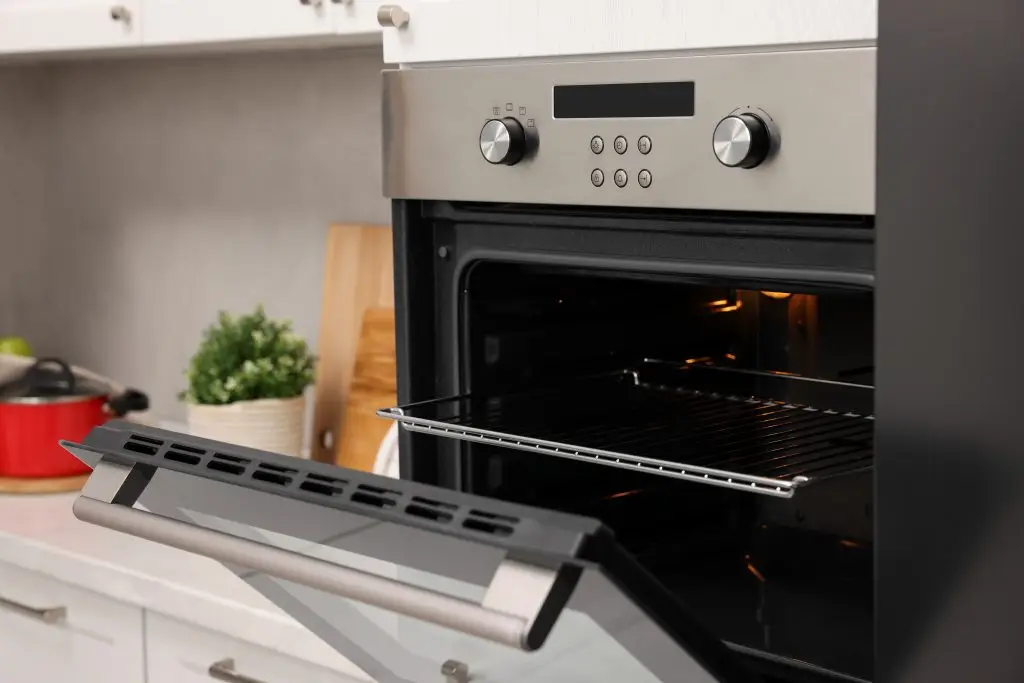
A working oven is something most homeowners take for granted until it suddenly stops producing heat. One moment dinner is cooking normally, and the next the appliance refuses to warm up at all. This problem often appears without warning. However, there are usually clear technical reasons behind the failure.
Fast Appliance Repair regularly helps homeowners understand why ovens stop heating and what signs appear before the breakdown happens. In many cases, a heating issue does not mean the appliance is completely ruined. Instead, it may involve a component failure that can be diagnosed and repaired with professional inspection.
Understanding the possible causes can help you react quickly and avoid further damage to the appliance.
Why Ovens Stop Heating Without Warning
An oven may appear to stop heating suddenly, but internal components often show signs of stress before failing completely. Over time, electrical connections weaken, heating elements wear out, and temperature controls become less accurate.
For example, a heating element inside an electric oven can slowly degrade after years of use. At first, the oven might take longer to reach temperature. Eventually, the element may burn out completely, leaving the oven unable to generate heat.
Likewise, thermostats and temperature sensors can also fail. When these components stop communicating with the control board, the appliance may behave as if it is functioning normally even though heat is never produced.
Homeowners often discover the issue while cooking dinner. The oven light works, the display turns on, and the timer runs. However, the temperature inside never rises.
When this situation happens, many people start searching for professional appliance help. In these situations, the repair process often begins with a detailed inspection through services like appliance repair services.
Common Parts That Cause Heating Problems
Several internal components are responsible for producing and controlling oven heat. When one of these parts fails, the appliance can lose its ability to cook properly.
Heating elements are one of the most common causes. Electric ovens rely on bake and broil elements that generate heat when electricity passes through them. If either element burns out, the oven will struggle or completely fail to heat.
Another important component is the temperature sensor. This small device monitors the internal temperature and signals the control board when the oven reaches the selected setting. When the sensor becomes damaged or disconnected, the oven may remain cold or shut off prematurely.
Control boards can also cause problems. Modern ovens use electronic circuits to regulate heating cycles. If the board stops sending signals to the heating elements, the appliance may appear functional while producing no heat.
In many kitchens, ovens work alongside other major appliances. When multiple appliances begin showing problems at once, homeowners sometimes investigate services like dishwasher repair in Calgary to check if electrical or household power issues are affecting several systems.
Electrical Issues Behind Heating Failures
Electrical problems can also prevent an oven from heating properly. In many cases, the issue is not inside the oven itself but within the home’s power supply.
Electric ovens require a strong and stable electrical connection. If a breaker partially trips or wiring becomes loose, the appliance may still turn on but fail to heat. This happens because the oven needs full voltage to power the heating elements.
Power fluctuations can also damage internal components over time. Sudden surges may affect electronic control boards, while repeated voltage drops can weaken heating elements and relays.
Sometimes homeowners attempt simple troubleshooting steps such as resetting the circuit breaker or unplugging the appliance. While these steps may help in minor cases, persistent heating failures often require professional diagnosis.
Technicians from Fast Appliance Repair frequently find that a small electrical component or wiring connection is responsible for the entire problem.
Warning Signs Before the Oven Stops Heating
Although the heating failure may feel sudden, ovens usually display warning signs before they completely stop working.
One common sign is uneven cooking. Food may burn on one side while remaining undercooked on the other. This can indicate a weakening heating element or a failing temperature sensor.
Another sign is extended preheating time. If the oven takes much longer than usual to reach the desired temperature, it may be struggling to generate sufficient heat.
Strange smells or visible damage to heating elements can also indicate trouble. Sometimes a heating element develops cracks or dark burn marks before it stops working.
Some ovens even display error codes on their control panel. These codes help technicians identify which internal system is malfunctioning.
Recognizing these early symptoms allows homeowners to address the issue before a complete breakdown occurs.
When Professional Repair Becomes Necessary
Oven heating systems contain electrical components that require careful inspection and proper tools to diagnose safely. Attempting to repair these systems without experience can create safety risks and may damage the appliance further.
Professional technicians begin by testing the heating elements, sensors, wiring connections, and control boards. Each component must work together for the oven to produce consistent heat.
Fast Appliance Repair performs detailed diagnostics to determine whether the appliance requires a replacement part or a simple electrical correction. In many cases, the repair is faster and more affordable than replacing the entire oven.
Prompt service also prevents further damage. A failing heating component can place stress on other internal parts, eventually creating additional issues throughout the appliance.
Addressing the problem early helps extend the life of the oven and keeps kitchen routines running smoothly.
FAQs
Why does my oven turn on but not heat?
This usually means the heating element, temperature sensor, or control board is malfunctioning. The appliance still receives power, but the system responsible for producing heat is not operating correctly.
Can a broken heating element be repaired?
Heating elements are typically replaced rather than repaired. Once an element burns out or cracks, installing a new component restores the oven’s ability to generate heat safely.
Is it safe to keep using an oven that heats unevenly?
Uneven heating often indicates a failing internal part. Continuing to use the oven may worsen the issue or lead to complete heating failure, so inspection is recommended.
Why does my oven take a long time to preheat?
A worn heating element, weak electrical connection, or faulty temperature sensor can slow down the heating process and prevent the oven from reaching the correct temperature quickly.
Should I repair or replace an oven that stops heating?
In many cases, repairing the faulty component is far more affordable than replacing the entire appliance. A professional inspection can determine whether a simple part replacement will restore normal operation.
You can read more about our services here: Alberta Business Beat, Your Local Biz, Post Of The Day, Canada Biz Portal, The Canada Best, Calgary Best, The Daily Local.
