
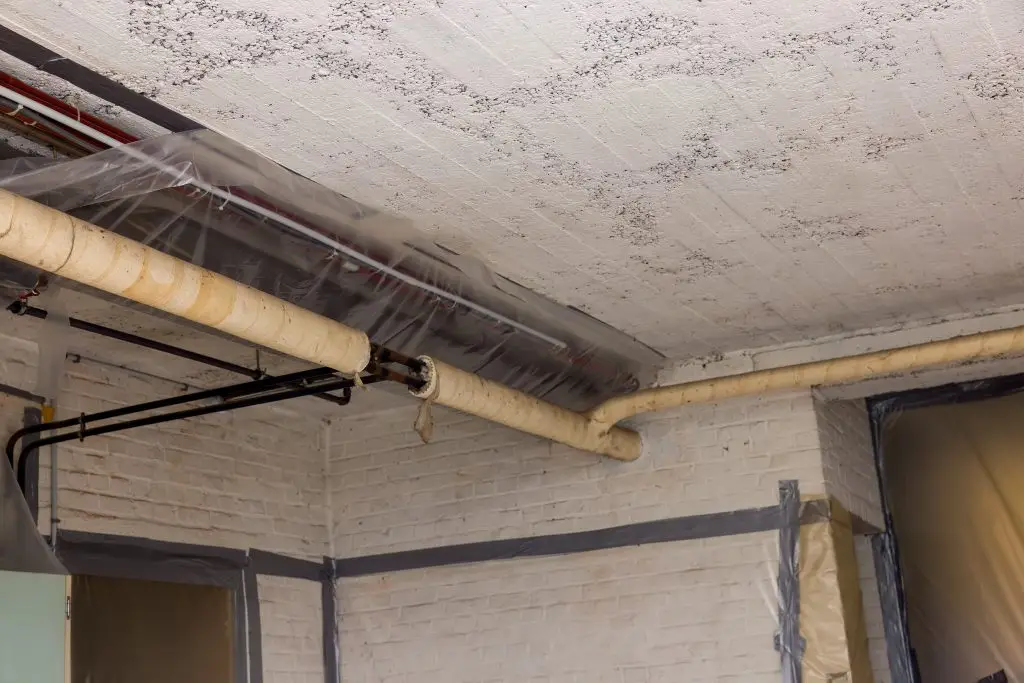
Older buildings often carry hidden stories behind their walls and ceilings. Many structures built decades ago still contain materials that were once considered safe and practical. However, construction methods from the past sometimes included substances that later proved dangerous. Therefore, asbestos can still remain inside many properties today without anyone realizing it.
Asbestos was commonly used because it provided strong insulation and fire resistance. As a result, builders installed it in many structural components that still exist inside older homes, offices, and industrial buildings. Even when a property looks modern after renovations, asbestos materials may remain sealed behind walls or under floors. YYC Asbestos Removal frequently encounters these hidden materials during inspections and renovation projects.
Why Asbestos Was Widely Used in Older Construction
Decades ago, asbestos was valued for its durability and heat resistance. Builders relied on it to improve fire safety and strengthen construction materials. Consequently, asbestos became a standard component in insulation, cement boards, ceiling tiles, and floor adhesives.
In addition, manufacturers blended asbestos fibers into many construction products to improve their lifespan. These materials were affordable and easy to install, which made them extremely popular in residential and commercial projects. Many buildings constructed before the 1990s still contain these products today.
Even though modern construction has banned or restricted asbestos use, older structures may still contain original materials. That is why inspections are important before repairs or demolition. Many property owners rely on experts familiar with asbestos removal services in Calgary to identify potential risks before work begins.
How Asbestos Remains Hidden Inside Buildings
One of the main reasons asbestos stays hidden is because it is often sealed inside building structures. Materials like insulation boards, wall compounds, and floor tiles can hold asbestos fibers tightly within their composition. Therefore, they may remain unnoticed for decades.
Another reason is that renovations sometimes cover older materials instead of removing them. For example, new drywall or flooring may be installed over existing asbestos products. As a result, hazardous materials remain trapped beneath newer layers.
Property records may also be incomplete or missing. Without original construction documentation, it becomes difficult to identify whether asbestos materials were used during the building process. Consequently, many owners only discover asbestos during renovation or demolition work.
Renovation Projects Often Reveal Asbestos
Renovations are one of the most common times asbestos is discovered. Contractors may open walls, replace insulation, or remove old flooring. Subsequently, these activities expose materials that have remained hidden for years.
For instance, older pipe insulation in basements often contains asbestos fibers. Likewise, textured ceilings and vinyl floor tiles from earlier decades may also contain asbestos components. Once these materials are disturbed, microscopic fibers can become airborne.
During renovation inspections, professionals sometimes uncover additional hidden problems as well. Moisture trapped inside walls may create conditions that support contamination. In such situations, specialists may also recommend services like mold remediation Calgary to ensure the building environment becomes safe and healthy again.
Why Professional Testing Is Essential
Asbestos cannot be confirmed by appearance alone. Many materials containing asbestos look identical to safe alternatives. Therefore, laboratory testing is the only reliable way to determine whether asbestos fibers are present.
Professional inspectors carefully collect samples from suspicious materials and send them for analysis. As a result, property owners receive accurate information about the condition of their building materials. This step is essential before starting renovations or demolition work.
Testing also helps prevent accidental exposure. Without inspection, contractors may unknowingly disturb asbestos materials during construction activities. YYC Asbestos Removal often performs testing before renovation projects to reduce health risks and ensure safety procedures are followed.
The Health Risks Linked to Asbestos Exposure
Asbestos becomes dangerous when its fibers are released into the air. These tiny fibers are invisible and extremely lightweight. Consequently, they can remain airborne for long periods and be inhaled without notice.
Over time, inhaled asbestos fibers can accumulate inside the lungs. This exposure has been associated with serious respiratory conditions that may develop many years later. Preventing exposure is therefore the most effective way to protect health.
Older buildings containing asbestos require careful management whenever construction work is planned. Professionals trained in safe handling methods can remove or contain asbestos materials properly. These procedures help prevent fibers from spreading throughout the building.
Safe Removal Helps Protect Occupants and Workers
When asbestos is confirmed, removal must follow strict safety protocols. Specialized teams isolate work areas using containment systems that prevent fibers from escaping into other parts of the building. Consequently, occupants remain protected during remediation work.
Workers use protective equipment and specialized filtration systems to control airborne particles. Materials containing asbestos are carefully removed, sealed, and transported according to environmental safety regulations. This process ensures hazardous debris is handled responsibly.
Professional remediation also provides long term peace of mind. Once hazardous materials are removed safely, future renovations can proceed without unexpected risks. YYC Asbestos Removal focuses on protecting both buildings and the people who occupy them.
FAQs
Why do many older buildings still contain asbestos?
Many buildings constructed before the 1990s used asbestos in insulation, flooring, and ceiling materials. Since these materials can remain intact for decades, asbestos often stays hidden until renovation or demolition exposes it.
Can asbestos stay inside walls without causing problems?
Asbestos materials can remain relatively stable when sealed and undisturbed. However, cutting, drilling, or damaging those materials can release harmful fibers into the air.
How can I know if my building has asbestos?
The only reliable method is professional testing. Specialists collect material samples and send them to laboratories that analyze them for asbestos fibers.
Is it safe to renovate a building that might contain asbestos?
Renovations should always begin with an asbestos inspection. Testing ensures that hazardous materials are identified and handled safely before construction begins.
Who should remove asbestos from a property?
Certified remediation professionals should perform asbestos removal. They follow strict safety procedures and use specialized equipment to protect occupants and workers during the process.
You can read more about our services here: Alberta Business Beat, Your Local Biz, Post Of The Day, Canada Biz Portal, The Canada Best, Calgary Best, The Daily Local.
