
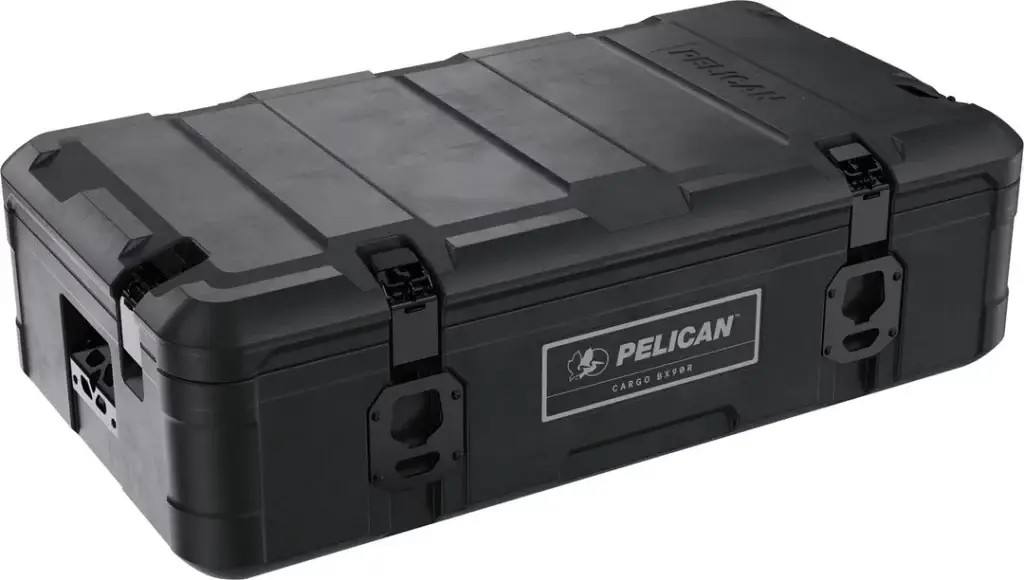
In 2026, equipment protection has become more important than ever for industrial crews, photographers, emergency responders, travelers, and outdoor professionals. Expensive tools, electronics, drones, lighting systems, and sensitive gear now travel through rough environments daily. As a result, many businesses and professionals are choosing durable cargo storage solutions that can handle extreme conditions without risking damage. Optimal Cases and Lights Inc. continues to supply dependable protective solutions that meet these growing demands across Canada.
Modern equipment faces constant exposure to moisture, dust, impacts, vibration, and harsh temperatures. Therefore, storage systems must do more than simply hold gear during transport. They must actively protect valuable contents while remaining lightweight, practical, and easy to move between worksites, airports, trucks, and industrial locations.
The Growing Need for Heavy Duty Equipment Protection
Technology continues to evolve quickly in 2026. For instance, many industries now rely on portable devices, advanced sensors, communication systems, and high value tools that require dependable transportation protection. Damage during shipping or travel can lead to expensive downtime and major operational delays.
Many professionals work in unpredictable conditions every day. Oilfield crews often move equipment through mud, snow, and rough terrain. Similarly, film production teams transport cameras and lighting systems between multiple locations within tight schedules. Standard plastic bins or soft carrying bags no longer provide enough security for these situations.
This growing demand explains why rugged cargo cases are becoming standard equipment in industrial and commercial operations. Above all, organizations want reliable protection that reduces repair costs and keeps operations moving efficiently.
Why Pelican Cargo Cases Stand Out in 2026
The design of modern cargo protection systems has improved significantly over the past few years. However, Pelican cargo cases continue to stand out because of their durability, weather resistance, and practical engineering. Many users now prefer these cases because they combine protection with portability.
The structure of these cargo cases helps absorb impacts during transportation. Consequently, delicate equipment inside remains safer even during rough handling. Reinforced corners, secure latches, and strong polymer construction help prevent cracking and external damage in difficult environments.
Another important advantage is water and dust resistance. Many industries operate outdoors year round in Canada, where snow, rain, dirt, and freezing temperatures create serious risks for electronics and precision tools. Using properly sealed storage systems helps prevent moisture contamination and internal equipment failure.
Professionals looking for dependable protective storage often explore Pelican cargo cases because these products are designed specifically for demanding transportation conditions.
Industries That Depend on Cargo Protection Systems
Many industries now consider protective cargo cases essential instead of optional. Equipment costs continue rising every year. Therefore, organizations want long term protection that extends the lifespan of their tools and devices.
Oil and Gas Operations
Industrial worksites place extreme stress on equipment transportation systems. Workers frequently move gear through rough roads, muddy environments, and unpredictable weather conditions. Protective cargo cases help secure inspection tools, communication devices, and safety equipment during transport between locations.
Photography and Video Production
Camera equipment has become smaller yet more expensive in recent years. Meanwhile, creators often travel internationally while carrying drones, lenses, batteries, and sensitive accessories. Durable cargo cases help prevent impact damage during flights and vehicle transportation.
Emergency Services
Emergency crews require fast access to organized equipment in high pressure situations. Rugged cargo systems help keep medical tools, lighting systems, and communication devices protected and easy to transport during emergencies.
Remote Construction Projects
Construction crews working in remote areas need storage systems that survive harsh transportation conditions. In addition, organized cargo cases reduce the risk of misplaced tools and damaged equipment on busy job sites.
Modern Features Professionals Expect in 2026
Equipment protection expectations have evolved beyond basic durability. Users now want protective storage systems that improve efficiency and simplify transportation.
Lightweight construction has become especially important for frequent travelers and mobile crews. Heavy storage systems increase transportation costs and create handling difficulties. Therefore, many modern cargo cases now focus on balancing strength with manageable weight.
Stackability is another feature gaining popularity. Organized stacking systems help maximize truck space, warehouse storage, and mobile worksite organization. Likewise, secure latch systems and ergonomic handles improve usability during daily operations.
Customization also plays a major role in 2026 equipment protection trends. Foam inserts, dividers, and modular storage layouts help users organize gear more efficiently while reducing internal movement during transport.
Professionals across Canada continue exploring reliable storage options through protective equipment solutions that support both industrial and commercial transportation needs.
How Protective Cargo Cases Reduce Long Term Costs
Some organizations initially focus only on the purchase price of storage systems. However, equipment damage often creates far higher costs over time. Repairs, replacements, project delays, and lost productivity can quickly exceed the cost of proper protective storage.
Protective cargo cases help reduce these risks significantly. As a result, businesses often experience fewer damaged devices, lower replacement costs, and improved operational reliability. Proper protection also extends equipment lifespan, which becomes especially important for high value electronics and precision instruments.
Reliable organization creates additional savings as well. Workers spend less time searching for misplaced tools or reorganizing damaged equipment. In other words, better storage systems help improve productivity while protecting valuable investments.
Why 2026 Is Driving More Demand for Rugged Cargo Cases
Several trends are increasing demand for heavy duty protective cases this year. Mobile work environments continue growing across many industries. Meanwhile, equipment becomes more advanced and more expensive every year.
Remote work locations, drone operations, mobile production teams, and industrial field services all require dependable transportation protection. Consequently, businesses are prioritizing protective storage as part of their long term operational planning.
Environmental conditions also continue becoming more unpredictable. Snow, heavy rain, dust exposure, and transportation vibration create ongoing challenges for sensitive equipment. Rugged cargo protection systems help businesses adapt to these changing conditions more effectively.
Optimal Cases and Lights Inc. continues supporting Canadian industries by supplying dependable cargo protection solutions designed for demanding environments and modern transportation needs.
FAQs
What makes Pelican cargo cases different from regular storage containers?
Pelican cargo cases are designed specifically for equipment protection in harsh environments. They offer stronger construction, better sealing against moisture and dust, and improved impact resistance compared to standard storage bins.
Are cargo cases useful for air travel?
Yes. Many professionals use rugged cargo cases during air travel because they help protect sensitive equipment from rough baggage handling, impacts, and environmental exposure.
Can cargo cases handle Canadian winter conditions?
Yes. High quality cargo cases are built to perform in cold temperatures, snow, and wet conditions, making them suitable for Canadian industrial and outdoor use.
Who commonly uses protective cargo cases?
Oil and gas crews, photographers, filmmakers, emergency responders, military personnel, contractors, and remote work teams frequently use protective cargo systems.
Do protective cargo cases help organize equipment?
Yes. Many cargo cases support foam inserts, dividers, and organized layouts that help users safely separate and transport equipment more efficiently.
