
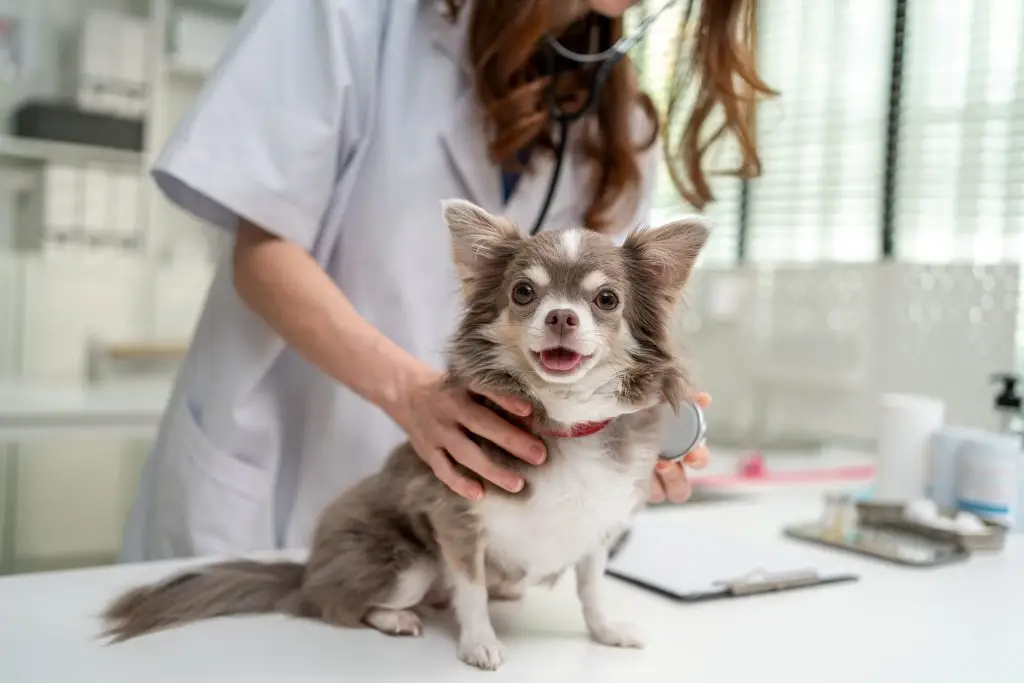
Many pet owners notice a strange reaction when they arrive at a veterinary clinic. A normally playful dog suddenly becomes silent, while a confident cat may refuse to move. This “freezing” behavior is common. Dr. Wendy VetCare often explains that pets respond to unfamiliar environments with caution or fear.
Animals rely heavily on scent, sound, and routine to feel safe. However, clinics introduce new smells, unfamiliar animals, and unusual handling. As a result, some pets shut down emotionally rather than react aggressively. Understanding this behavior helps owners support their pets and choose care that keeps them calm.
The Stress Of New Smells And Sounds
Animals experience the world through their senses. Firstly, a veterinary clinic contains dozens of unfamiliar smells. For example, cleaning products, medical equipment, and other animals all create a sensory overload.
Dogs and cats immediately notice these scents. However, they cannot understand what they mean. As a result, their brain often interprets the environment as a possible threat.
Secondly, noise can increase stress levels. Barking dogs, ringing phones, and movement in the waiting room create constant stimulation. In other words, the clinic environment can feel chaotic to pets that prefer quiet and predictable surroundings.
When animals become overwhelmed, freezing becomes a coping mechanism. Instead of reacting aggressively or trying to escape, they remain still and quiet.
Fear Of The Unknown Environment
Pets depend heavily on routine. Above all, they feel safest in familiar places such as their home or regular walking routes. A veterinary clinic disrupts this routine completely.
Many animals only visit a clinic when something uncomfortable happens. For instance, vaccinations, examinations, or treatments may create negative associations. Consequently, the building itself becomes linked to stress in their memory.
This is why some pets begin showing anxiety before even entering the clinic. They recognize the parking lot, the door, or even the carrier used for travel. Subsequently, their body prepares for a stressful situation by becoming rigid and cautious.
Dr. Wendy VetCare often sees pets relax much faster during calm examinations performed in a familiar environment. Owners exploring mobile veterinary services often notice how dramatically behavior changes when pets remain in their own home.
Previous Experiences Can Shape Behavior
Past experiences strongly influence how animals react during medical visits. For example, a pet that had a painful procedure may remember the event even months later.
Animals do not understand the purpose of medical care. However, they remember sensations such as restraint, injections, or discomfort. Consequently, their brain prepares for the same experience during future visits.
This anticipation creates fear responses such as freezing, shaking, or hiding. Some pets attempt to escape, while others become completely motionless.
Freezing may look calm on the surface. However, it usually signals stress rather than relaxation. Therefore, veterinarians carefully observe body language to understand how an animal truly feels.
Learning more about calm and compassionate veterinary care through resources like the mobile veterinary clinic approach helps owners recognize that environment plays a major role in pet comfort.
Travel Stress Before The Appointment
Another overlooked reason pets freeze at clinics is the stress of transportation. For example, many cats dislike carriers and car rides. Even a short trip can cause anxiety before the appointment begins.
Dogs may also feel uneasy during travel if they associate the car with stressful destinations. As a result, their stress level is already elevated when they arrive.
By the time they enter the clinic, their nervous system is overwhelmed. Consequently, freezing becomes a natural response to reduce stimulation.
In these situations, minimizing travel stress can significantly improve a pet’s emotional experience. Some owners choose calm scheduling times, gentle handling, or alternative care environments to reduce this pressure.
How Familiar Environments Change Pet Behavior
Animals behave differently when they feel safe. In familiar surroundings, pets are more relaxed and responsive. Similarly, they are easier to examine and handle without fear.
At home, pets recognize their scents, favorite resting spots, and trusted people nearby. As a result, their stress levels remain lower during medical care.
Dr. Wendy VetCare often observes that pets who freeze in clinics behave naturally when examined at home. Dogs may wag their tails, while cats explore the room instead of hiding.
This change occurs because the environment no longer feels threatening. Most importantly, the animal maintains a sense of control over its space.
Understanding this difference helps pet owners choose care options that support both physical health and emotional wellbeing.
Helping Pets Feel Safer During Veterinary Visits
Pet owners can take several simple steps to reduce clinic anxiety. Firstly, bringing familiar items such as blankets or toys can create a sense of comfort. These items carry familiar scents that help pets relax.
Secondly, practicing calm handling at home prepares pets for examinations. Gentle touching of paws, ears, and mouth makes veterinary checks feel less unfamiliar.
Additionally, positive reinforcement works well for many animals. Offering treats or praise after visits helps build better associations over time.
Most importantly, patience and understanding make a big difference. Pets are not misbehaving when they freeze. Instead, they are responding to a situation they find confusing or stressful.
Recognizing these signals allows owners and veterinarians to respond with empathy and thoughtful care.
FAQs
Why do pets freeze instead of reacting aggressively at the vet?
Freezing is a natural fear response. When animals feel overwhelmed but cannot escape, they may remain completely still. This behavior helps them cope with stress without escalating the situation.
Is freezing a sign that my pet is calm?
Not necessarily. Although a frozen pet may look calm, the behavior usually indicates anxiety. Observing body language such as tense muscles or wide eyes helps reveal the true emotional state.
Do cats freeze more often than dogs at clinics?
Cats often freeze more frequently because they prefer quiet, predictable environments. However, many dogs also display freezing behavior when exposed to unfamiliar smells, sounds, and handling.
Can repeated visits help pets become less fearful?
Yes, gradual exposure and positive experiences can reduce fear. Short visits, treats, and gentle handling help pets build better associations with veterinary care over time.
Are home veterinary visits easier for anxious pets?
Many pets feel calmer when examined in familiar surroundings. The absence of travel, unfamiliar animals, and clinic noise often reduces anxiety significantly.
You can read more about our services here: Alberta Business Beat, Your Local Biz, Post Of The Day, Canada Biz Portal, The Canada Best, Calgary Best, The Daily Local.
