
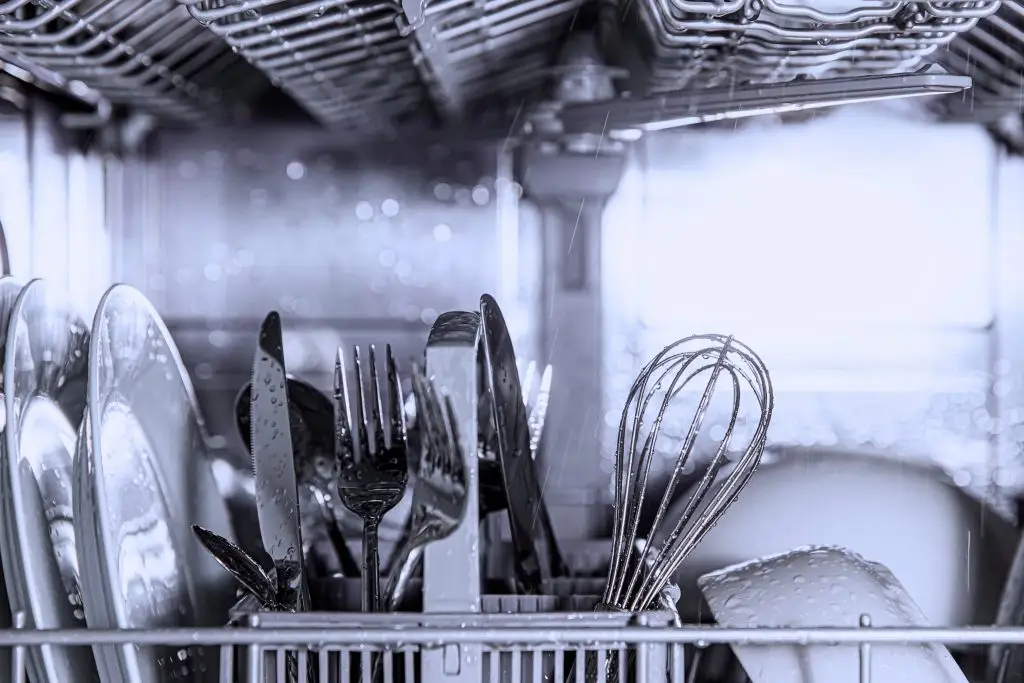
It can be frustrating to open your dishwasher and find dirty water sitting at the bottom. This problem is more common than people think, and it usually points to a drainage issue. At JAY Repair Services in St Albert, we often see this situation caused by simple blockages or worn parts that interrupt normal flow.
In other words, your dishwasher is completing the wash cycle but failing at the final step. As a result, water collects instead of draining away properly. Understanding the cause is the first step toward fixing it quickly and preventing future problems.
Common Reasons Water Doesn’t Drain Properly
Firstly, the most frequent cause is a clogged filter or drain. Food particles, grease, and debris can build up over time. Consequently, water cannot pass through the system as it should. This leads to pooling at the bottom after every cycle.
Secondly, a blocked drain hose can also create the same issue. If the hose is kinked or filled with residue, water flow slows down or stops completely. Moreover, improper installation can make the hose sit too low, which prevents effective drainage.
Another common problem is a faulty drain pump. This part pushes water out of the machine during the final stage. However, if the pump becomes weak or damaged, it will not move water efficiently. In addition, electrical issues may stop the pump from activating at all.
How Food Debris Builds Up Over Time
Dishwashers handle a lot of waste during daily use. For example, leftover food, grease, and soap residue all move through the system. Over time, these materials stick to filters and internal components. As a result, small blockages begin to form.
That is to say, even if you rinse dishes before loading them, buildup can still happen. Gradually, the flow of water becomes restricted. Eventually, the dishwasher cannot drain completely. This is why regular cleaning is so important for maintaining performance.
Similarly, using too much detergent can also contribute to the issue. Excess soap creates residue that sticks inside pipes and filters. Consequently, it reduces efficiency and leads to drainage problems.
The Role of the Drain Pump and Motor
The drain pump is one of the most important parts of the dishwasher. It pushes water out through the hose and into your home’s plumbing system. However, when this component fails, water stays behind after the wash cycle.
Most importantly, the pump relies on both mechanical and electrical systems. If either part fails, the pump will not work correctly. For instance, worn-out impellers or damaged wiring can stop the pump completely.
At this point, professional inspection becomes necessary. You can explore trusted help through appliance repair services in St Albert to diagnose the issue properly. As a result, the exact cause can be identified without guesswork.
Why Installation and Plumbing Matter
Sometimes, the problem is not inside the dishwasher at all. Instead, it comes from how the appliance is connected to your plumbing. For example, if the drain hose is installed incorrectly, water may flow back into the machine.
Moreover, a clogged kitchen sink drain can also affect the dishwasher. Since both systems are connected, a blockage in one can impact the other. Consequently, water cannot exit properly during the cycle.
Another factor is the air gap or high loop in the hose. This setup prevents dirty water from returning into the dishwasher. However, if it is missing or installed incorrectly, drainage issues become more likely.
Signs You Should Not Ignore
Standing water is not the only warning sign. There are other clues that indicate a drainage problem is developing. For instance, you may notice unusual smells coming from the dishwasher. This happens because trapped water begins to stagnate.
In addition, dishes may come out dirty or covered with residue. This is because dirty water is not being removed properly. Likewise, you might hear strange noises during the drain cycle, which can point to a failing pump.
If you see these signs, it is important to act quickly. You can check reliable solutions through oven repair services in St Albert when dealing with broader kitchen appliance issues. Addressing problems early helps prevent costly repairs later.
Simple Steps You Can Take First
Before calling for professional help, there are a few simple checks you can do. Firstly, inspect the filter at the bottom of the dishwasher. Remove any visible debris and rinse it thoroughly.
Secondly, check the drain hose for kinks or clogs. Make sure it is positioned correctly and not blocked. In addition, run a cleaning cycle using a dishwasher cleaner to remove buildup inside the system.
However, if the problem continues, it may involve internal parts like the pump or motor. At that point, proper diagnosis is required to avoid damaging the appliance further.
When Professional Help Is Needed
Some issues cannot be fixed with basic cleaning. For example, electrical faults or damaged components require expert attention. Attempting to repair these parts without experience can make the situation worse.
Therefore, contacting a professional ensures the problem is handled safely and correctly. At JAY Repair Services in St Albert, we focus on identifying the exact cause and fixing it efficiently. As a result, your dishwasher returns to normal operation without unnecessary delays.
Above all, regular maintenance and timely repairs can extend the life of your appliance. Taking action early prevents small issues from becoming major problems.
FAQs
Why is there still water after every wash cycle?
This usually means the dishwasher is not draining properly. The most common causes include a clogged filter, blocked drain hose, or a faulty pump. Checking these areas can help identify the issue quickly.
Can I use my dishwasher if water stays at the bottom?
It is not recommended. Standing water can lead to bad smells, bacteria buildup, and poor cleaning results. Therefore, it is better to fix the problem before continuing regular use.
How often should I clean the dishwasher filter?
You should clean the filter at least once a month. However, if you use the dishwasher frequently, cleaning it more often helps prevent buildup and improves drainage.
What does a broken drain pump sound like?
A failing pump may produce unusual humming or grinding noises. In some cases, you may hear no sound at all during the drain cycle, which indicates the pump is not working.
When should I call a technician for this issue?
If basic cleaning and checks do not solve the problem, it is time to call a technician. Professional diagnosis ensures that internal parts like the pump or motor are repaired correctly.
You can read more about our services here: Alberta Business Beat, Your Local Biz, Post Of The Day, Canada Biz Portal, The Canada Best, Calgary Best, The Daily Local.
